
Every wedding photographer knows how essential a speedlight is once the sun goes down and the dance floor fills up. But relying on flash only when the lights go dark means missing out on incredible creative opportunities throughout the rest of the day. Using flash intentionally during early moments can transform your imagery and elevate your overall wedding portfolio.
Atlanta-based destination wedding photographer Michelle Harris demonstrates that a compact flash like the Westcott FJ100 Speedlight is far more than just a backup for dark venues. In this guide, Michelle breaks down three creative ways to incorporate a speedlight into your wedding day workflow, from macro ring details and getting-ready portraits to outdoor lighting, giving you more control over your results no matter the location.
Mastering Speedlight Lighting for Ring and Bridal Details
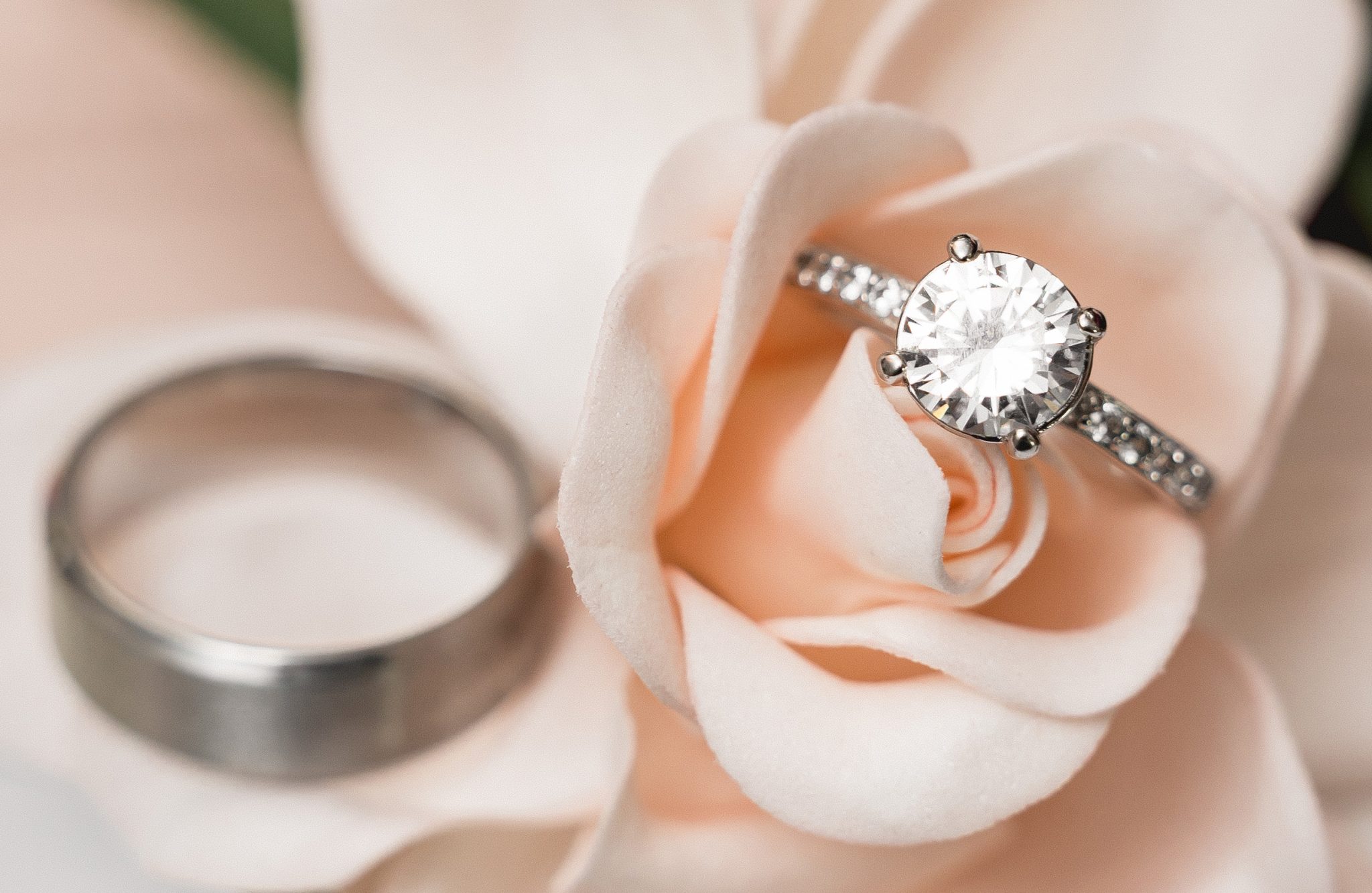
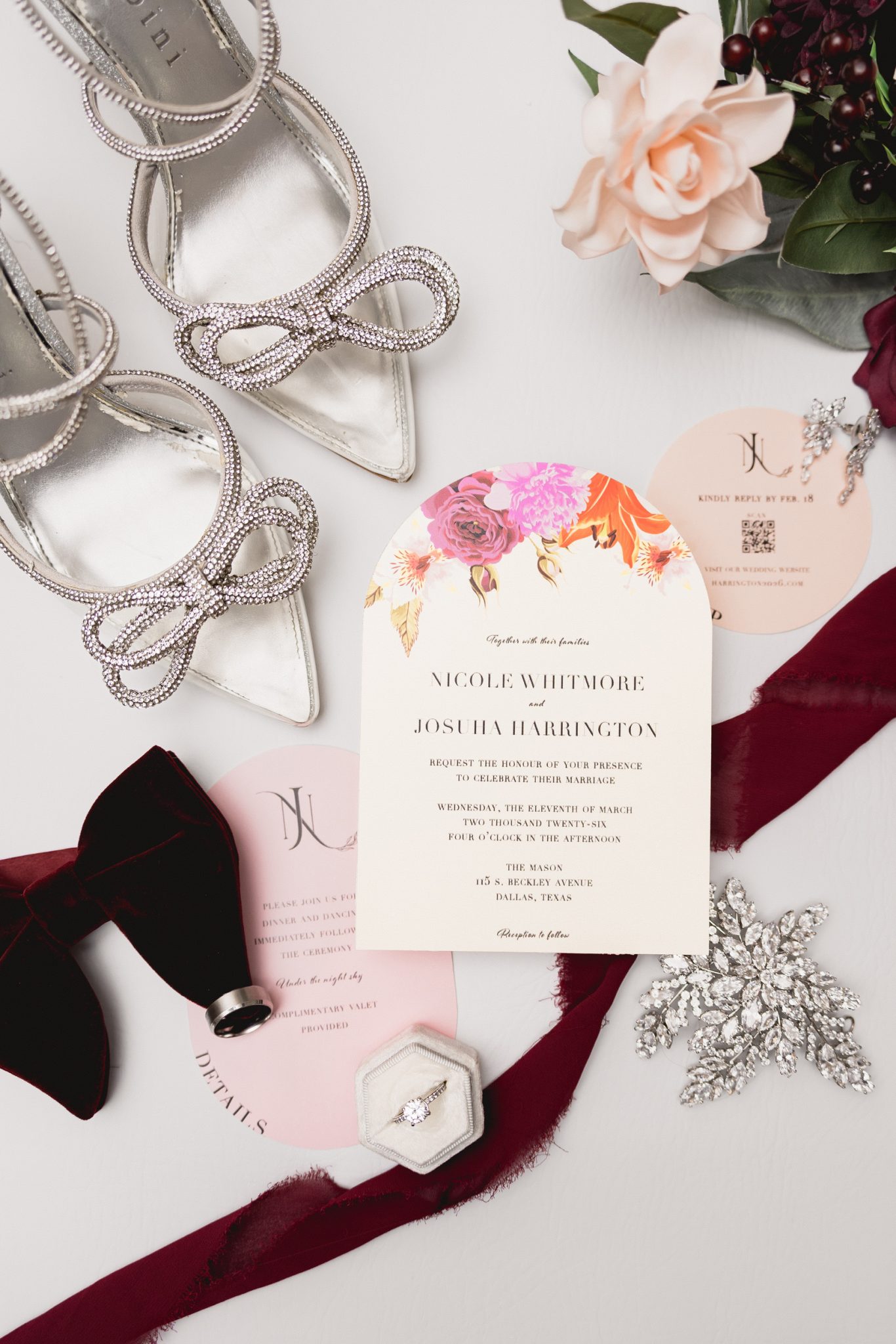
Shooting tight close-ups of wedding rings and flat lays requires a specialized approach compared to standard portraits. When zooming in on small elements, Michelle steps up her aperture to around f/5 rather than shooting wide open, ensuring the entire ring stays sharp from edge to edge. Pairing her 28–105mm f/2.8 lens with a camera shortcut to toggle crop sensor mode gives her even greater reach for intricate macro shots.
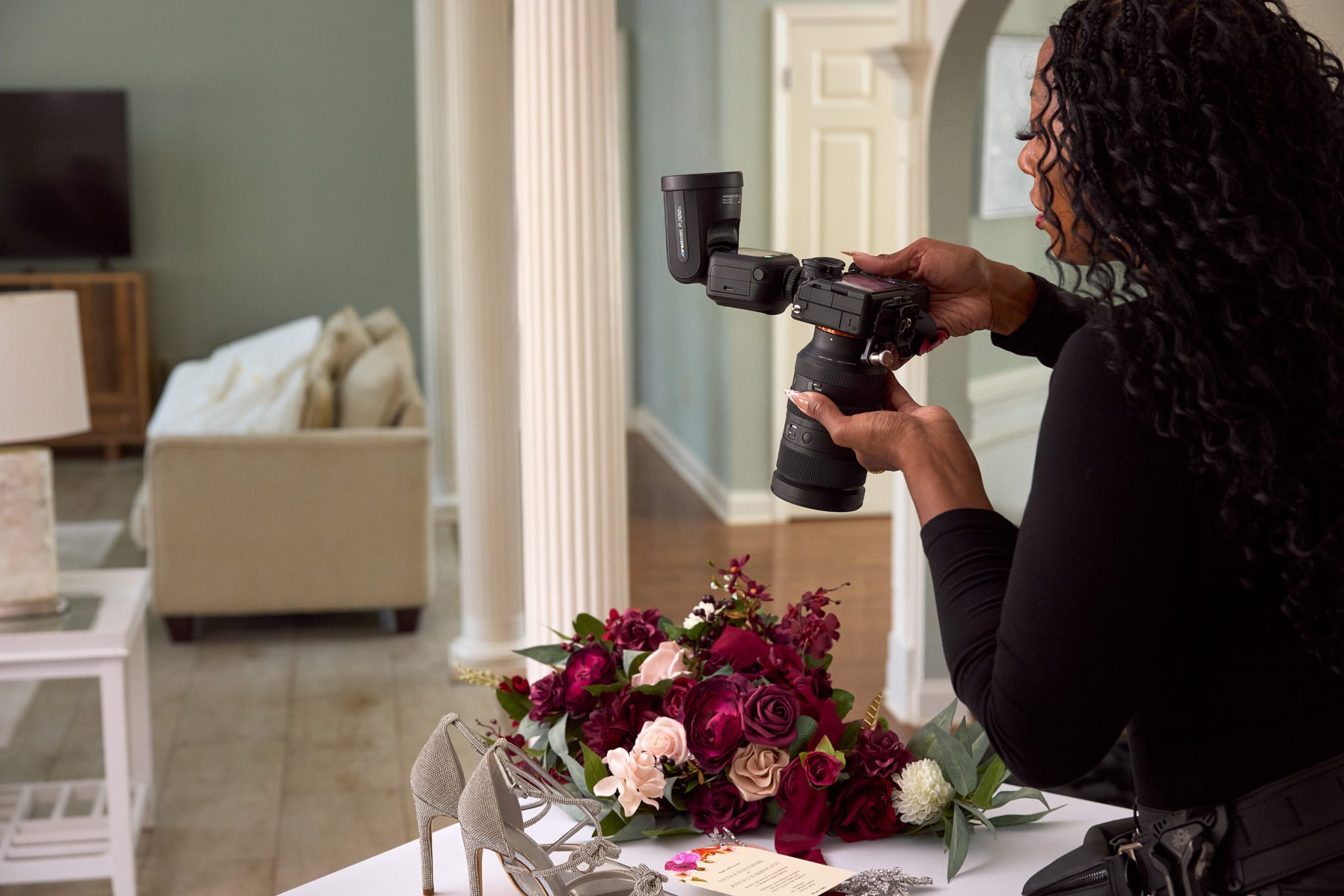
To light these small detail setups, Michelle highlights two distinct methods using the Westcott FJ100 Speedlight. Mounting the flash on-camera and bouncing it overhead produces a soft, perfectly even wash of light across the entire scene. Alternatively, taking the speedlight off-camera and turning on its built-in continuous, bi-color modeling lamp creates a directional light source from the side. This side-lighting technique reveals rich textures, subtle highlights, and artistic contrast across wedding bands and invitations.
Perfecting Indoor Lighting for Getting Ready Wedding Photos
Getting-ready suites are infamous for unpredictable light, where harsh sun streaming through window blinds creates distracting pattern shadows across your subject. Relying solely on natural light often leaves your exposure uneven, making it difficult to capture clean, full-length portraits of the bride. Bringing a speedlight into the room gives you full control over the mood without being at the mercy of shifting window light.
To correct harsh natural shadows, Michelle mounts the FJ100 Speedlight on her camera, enables High-Speed Sync, and bounces the flash off the ceiling. With her exposure set to 1/320 second and the flash at 1/32 power, she evenly fills the room, softening dark shadows and reducing the harsh sunlight on the dress while maintaining a soft, natural look.
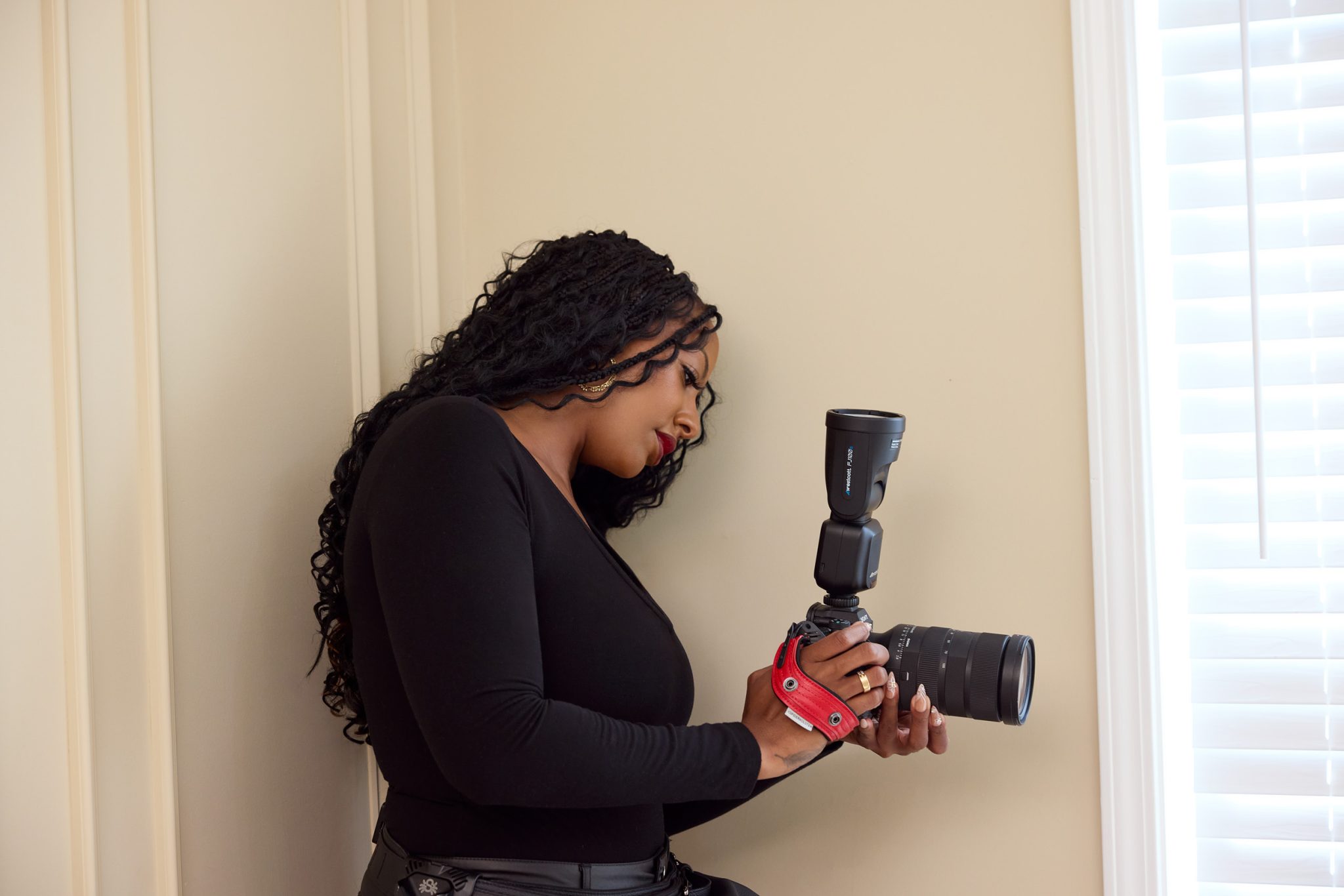
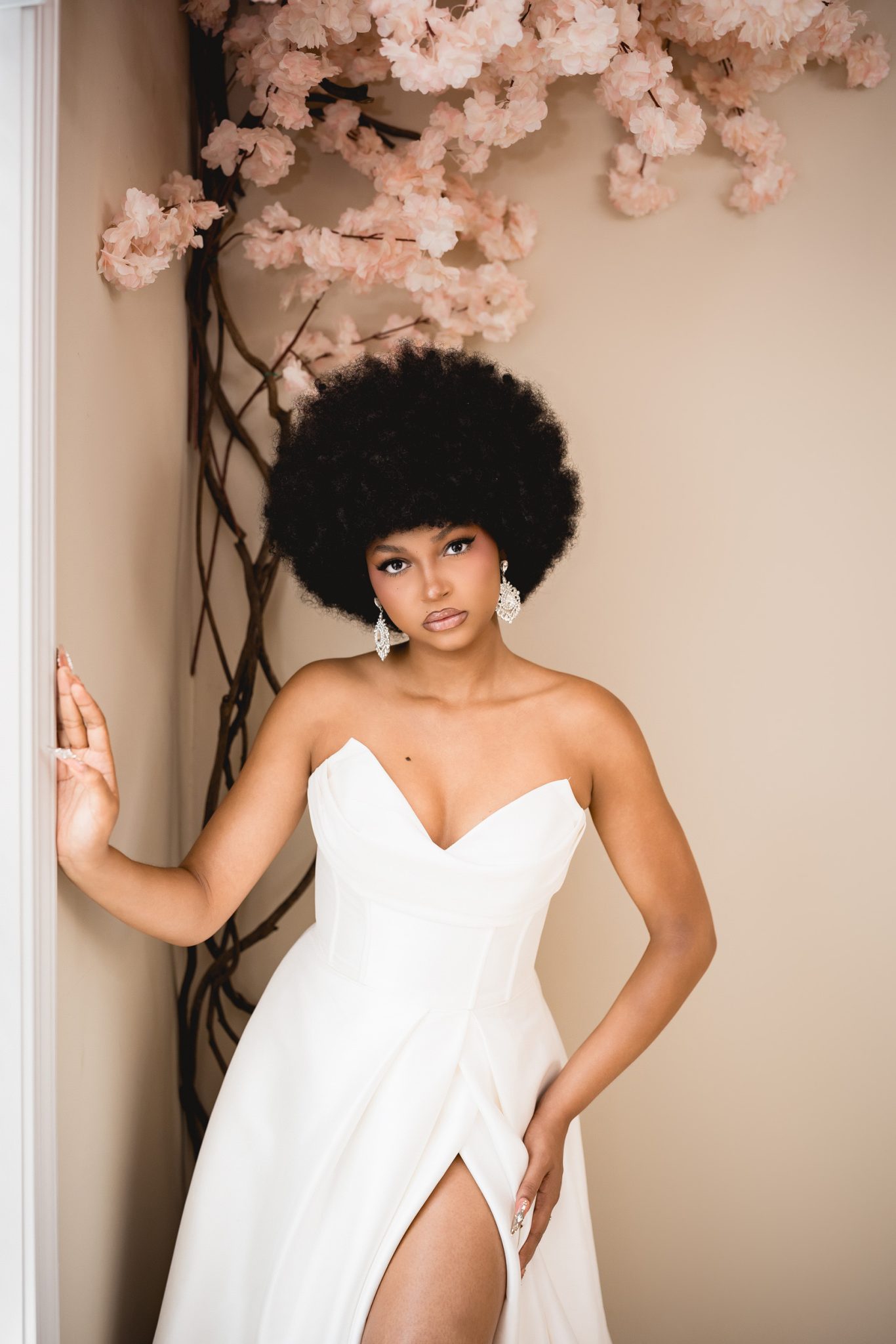
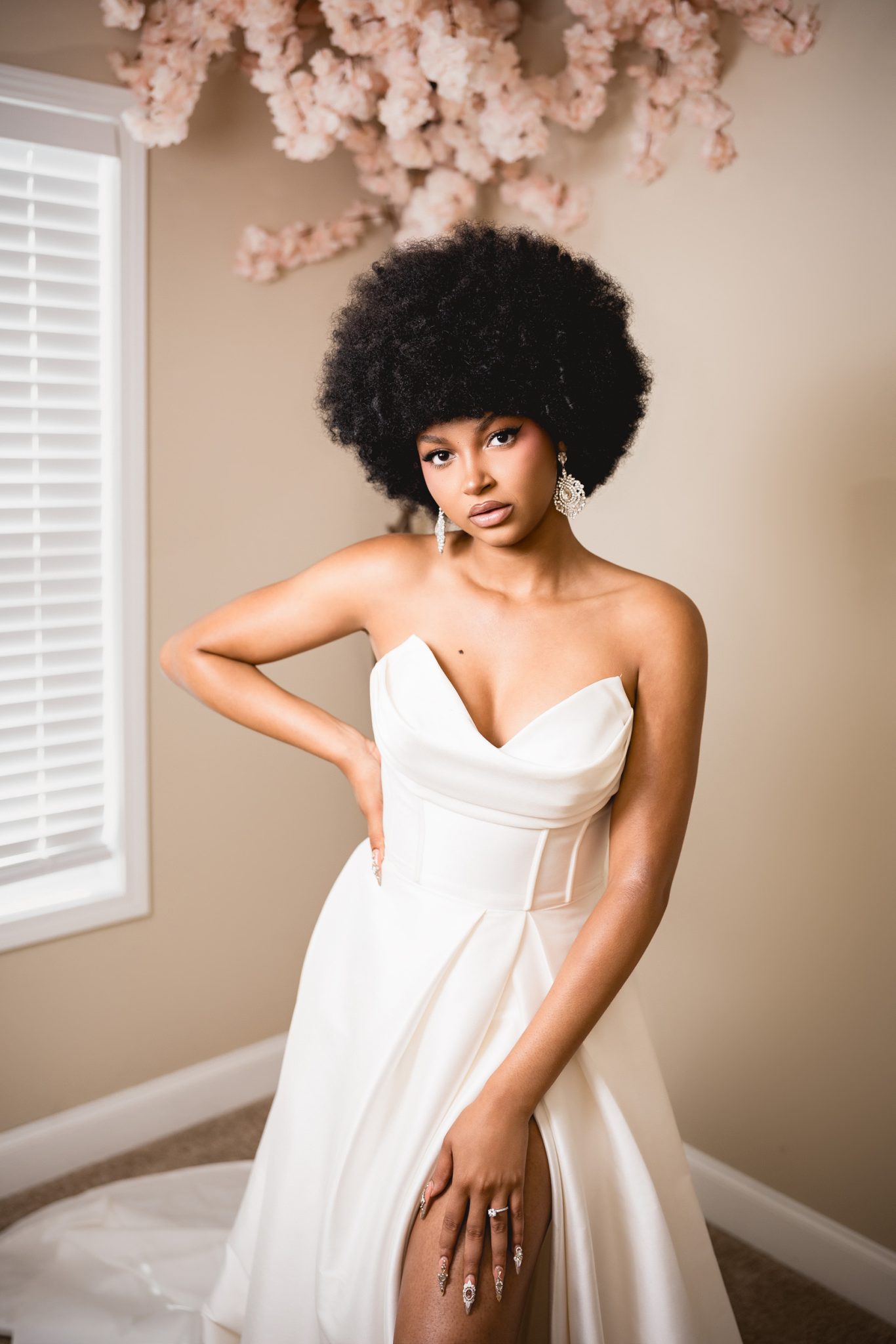
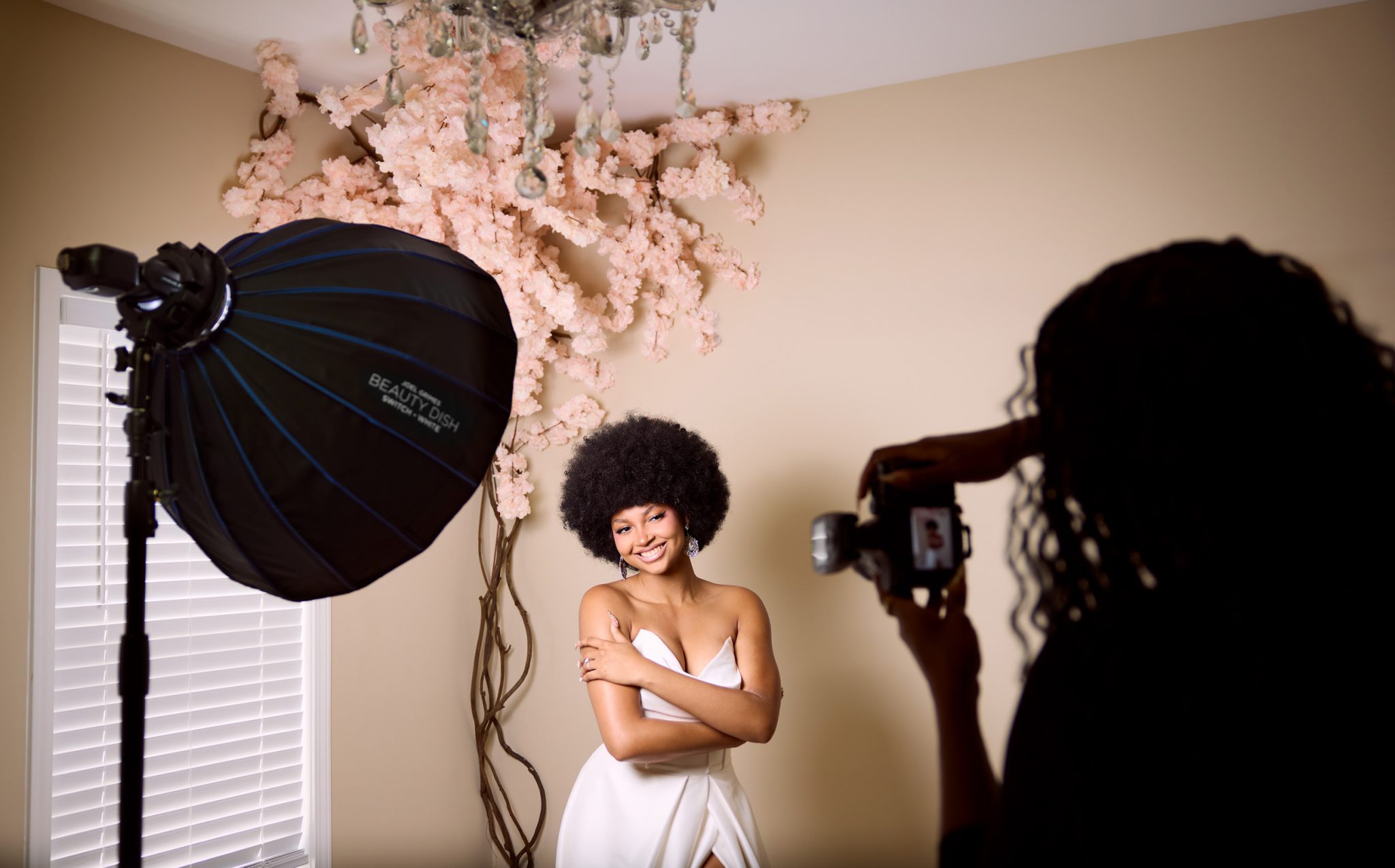
When it’s time for a more dramatic portrait, Michelle transitions to an off-camera setup using the Westcott FJ-X3 trigger. She mounts her FJ100 Speedlight to a Joel Grimes Beauty Dish using the Westcott S-Bracket 2. By moving the bride away from the wall, Michelle creates more depth and separation, then feathers the directional light across her subject for a striking, high-end editorial look in an otherwise basic room.
Balancing Outdoor Lighting for Flawless Couple Portraits
Moving outdoors presents a different challenge, as bright backgrounds can easily blow out when trying to expose for subjects standing in open shade. While open shade provides soft light on faces, the background often ends up significantly brighter than the couple. A lightweight speedlight offers plenty of output to bridge this gap without cluttering your outdoor set.
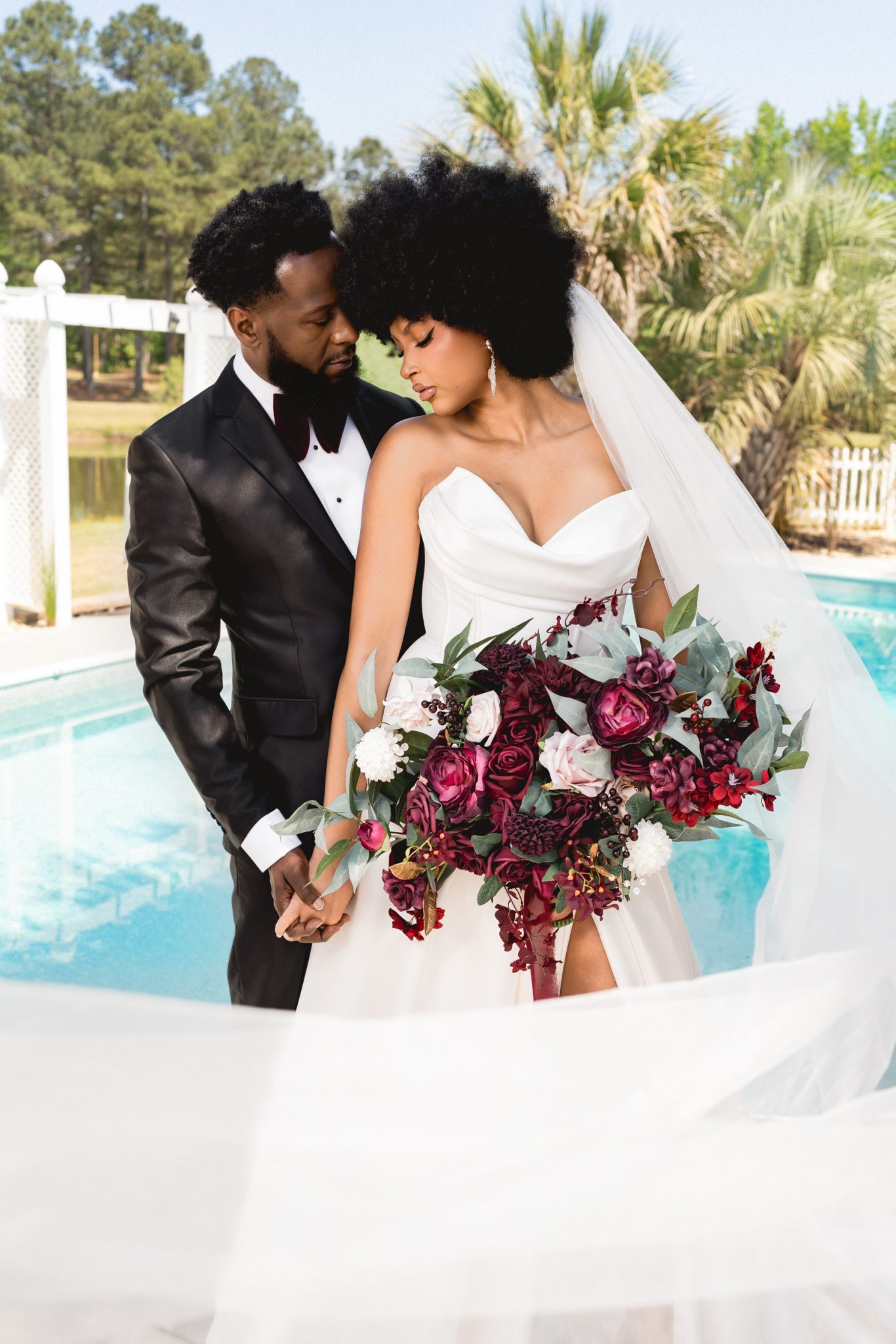
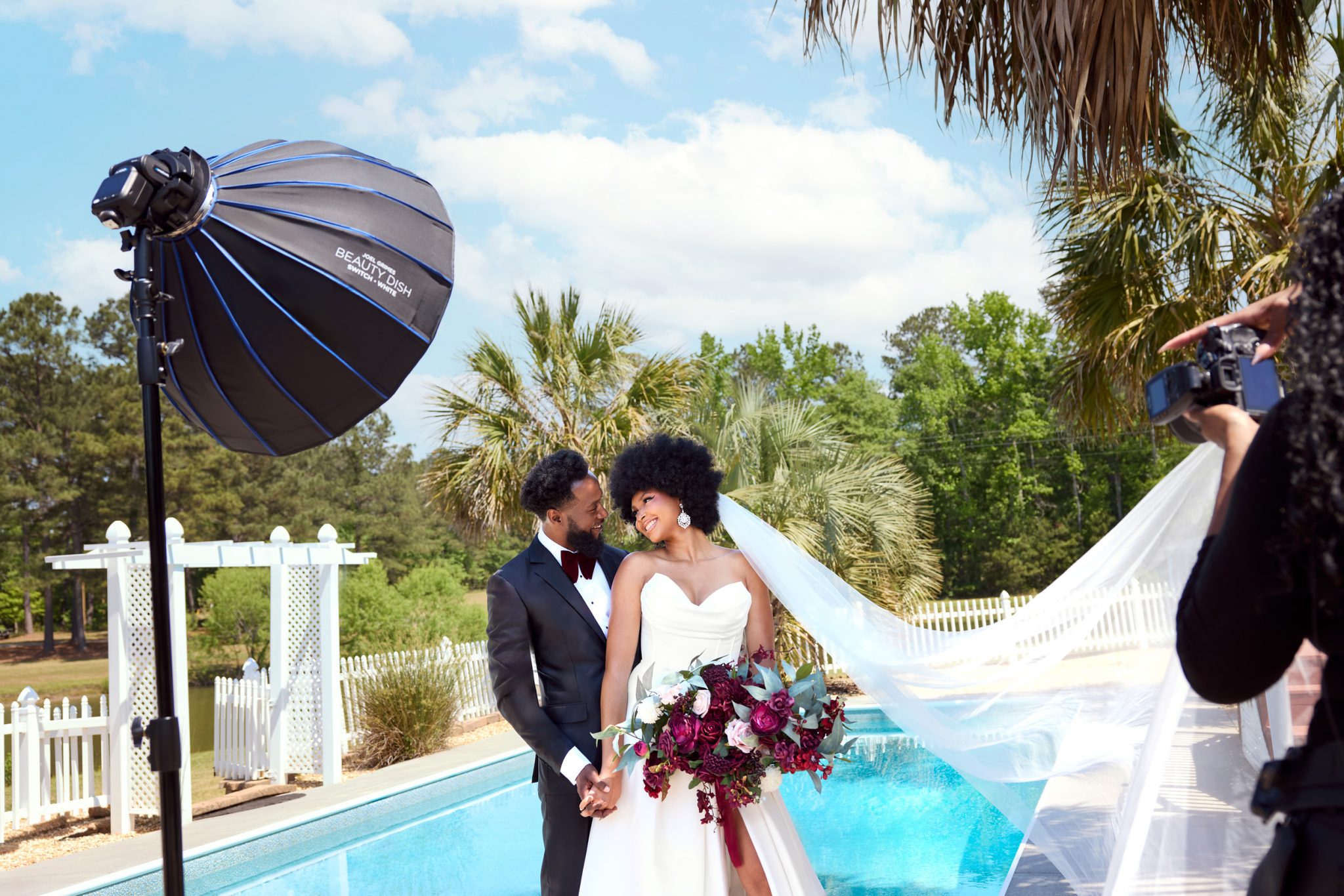
By bringing her off-camera speedlight and beauty dish setup outside, Michelle adds a subtle fill light directly onto the couple. This extra pop of light matches the exposure on their faces to the bright landscape behind them. The result is a vibrant, balanced portrait with smooth subject illumination and fully preserved background details.
Essential Takeaways for Wedding Speedlight Techniques
Incorporating speedlights into your wedding workflow is all about taking full control of your environment from start to finish. Using bounce flash overhead provides clean, even light for flat lays, while the continuous modeling lamp adds directional texture to small details. Indoors, bouncing on-camera flash eliminates unpredictable window shadows, whereas an off-camera modifier creates rich depth and dimension.
When shooting couples outdoors, off-camera flash fills in natural shadows and keeps bright skies beautifully balanced. Keeping a versatile tool like the Westcott FJ100 Speedlight in your gear bag ensures you are always ready to create soft, professional lighting anywhere on a wedding day.
Want to see more wedding photography tips?
Check out How to Pose and Light a Bridal Party (Even in Harsh Sun!), where wedding photographer Andre Brown walks through his process for posing and lighting a bridal party, even when working in challenging outdoor light.


You must be logged in to post a comment.