
Professional portrait photographer Ray Alvarez is a master at this, and in his latest shoot, he shows us how to use Westcott lighting to create bold, creative senior photos that truly pop. Capturing the perfect senior portrait involves more than just a nice camera. It’s about how you control the light to tell a story. Whether you’re tucked away in the quiet aisles of a library or out in the bright midday sun, knowing how to balance flash with your environment is a total game changer.
Mastering Creative Senior Portraits with Indoor Lighting Techniques
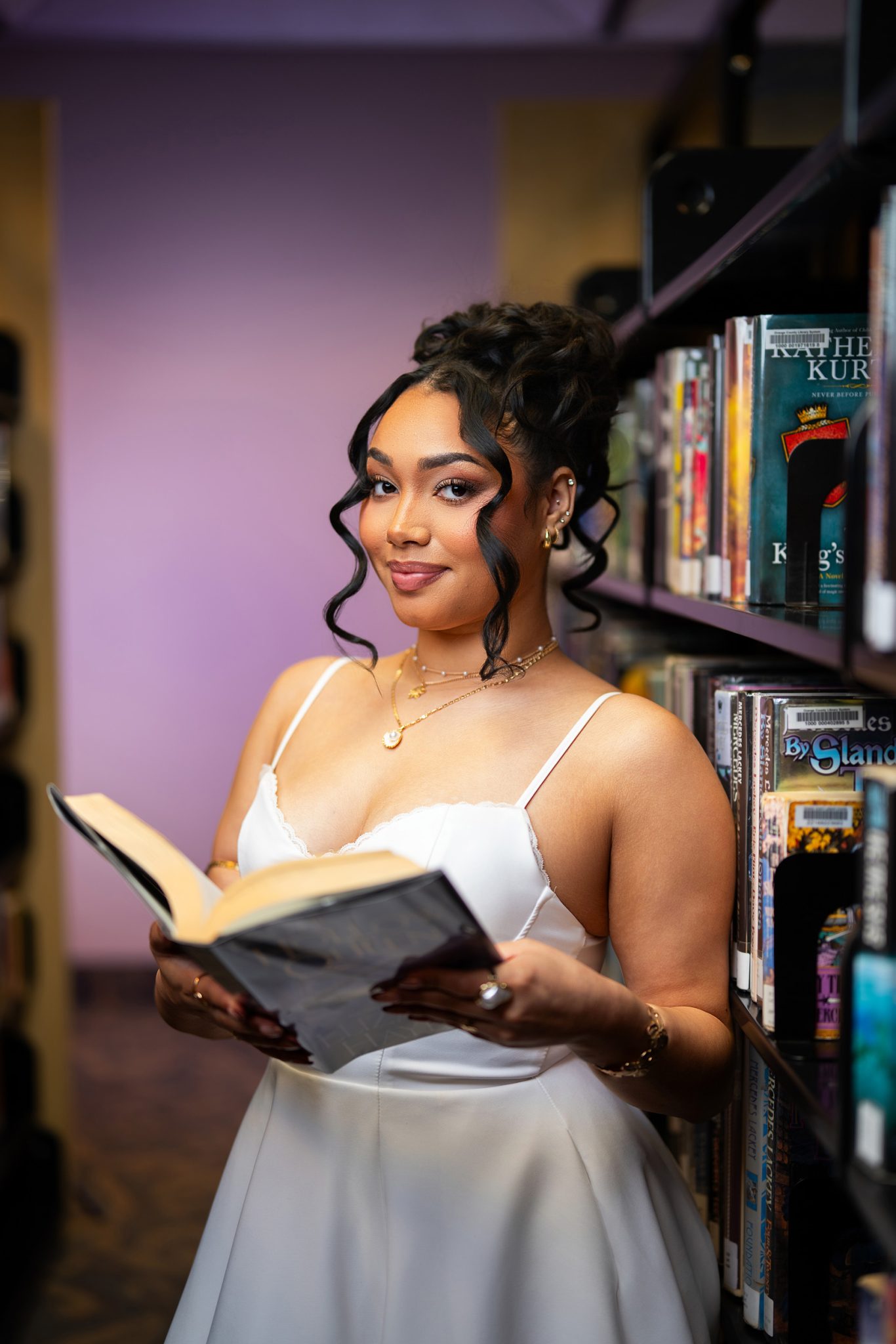
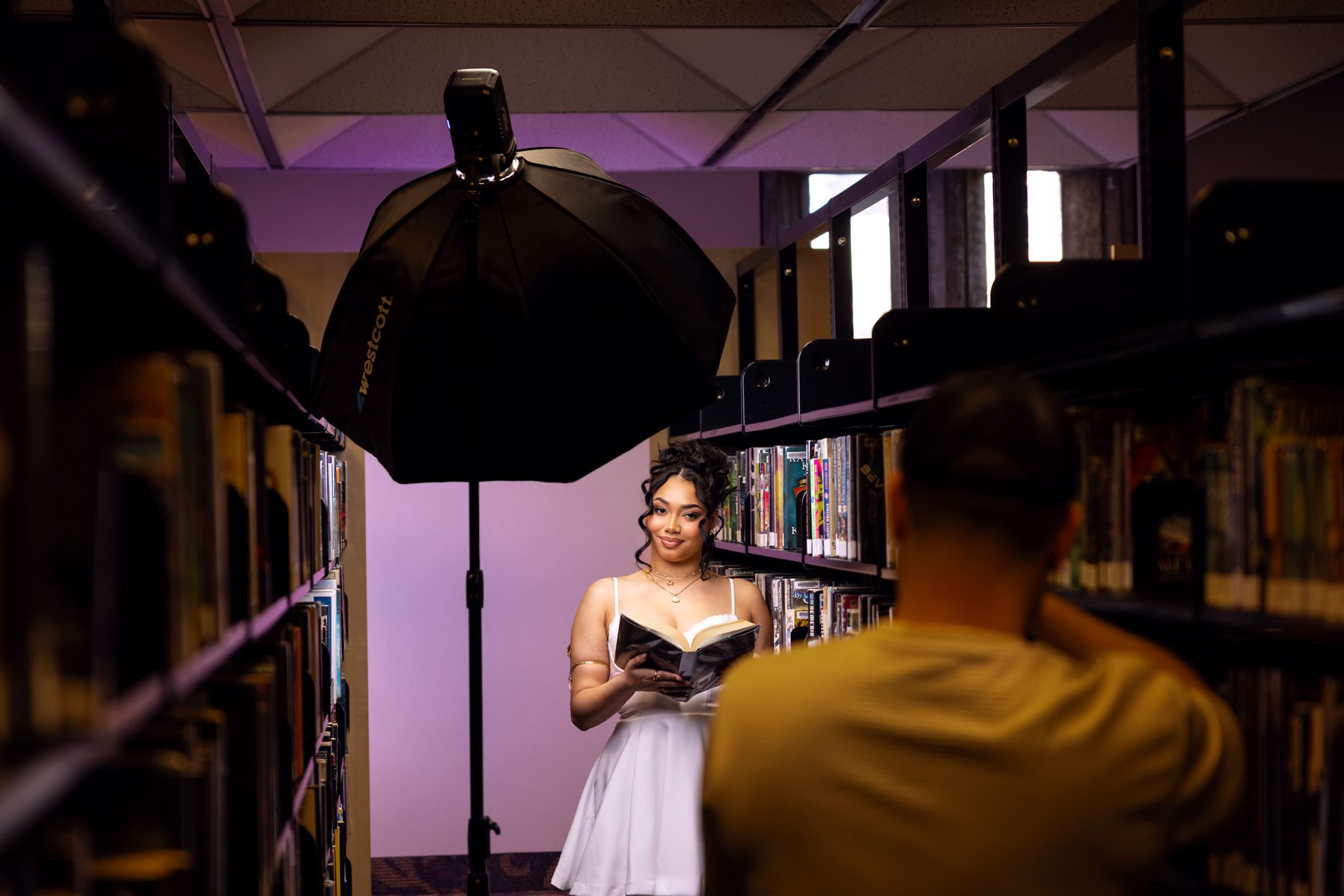
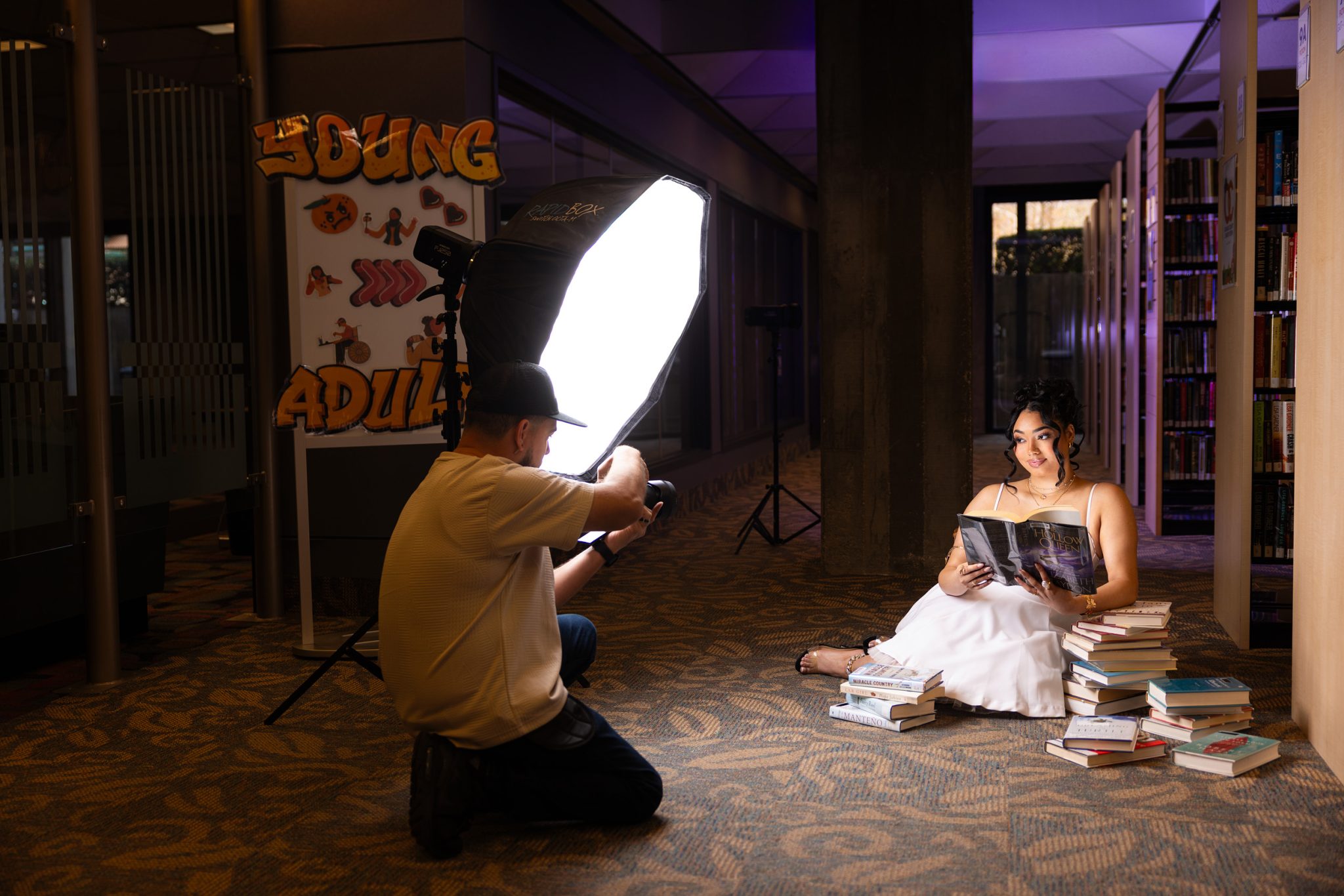
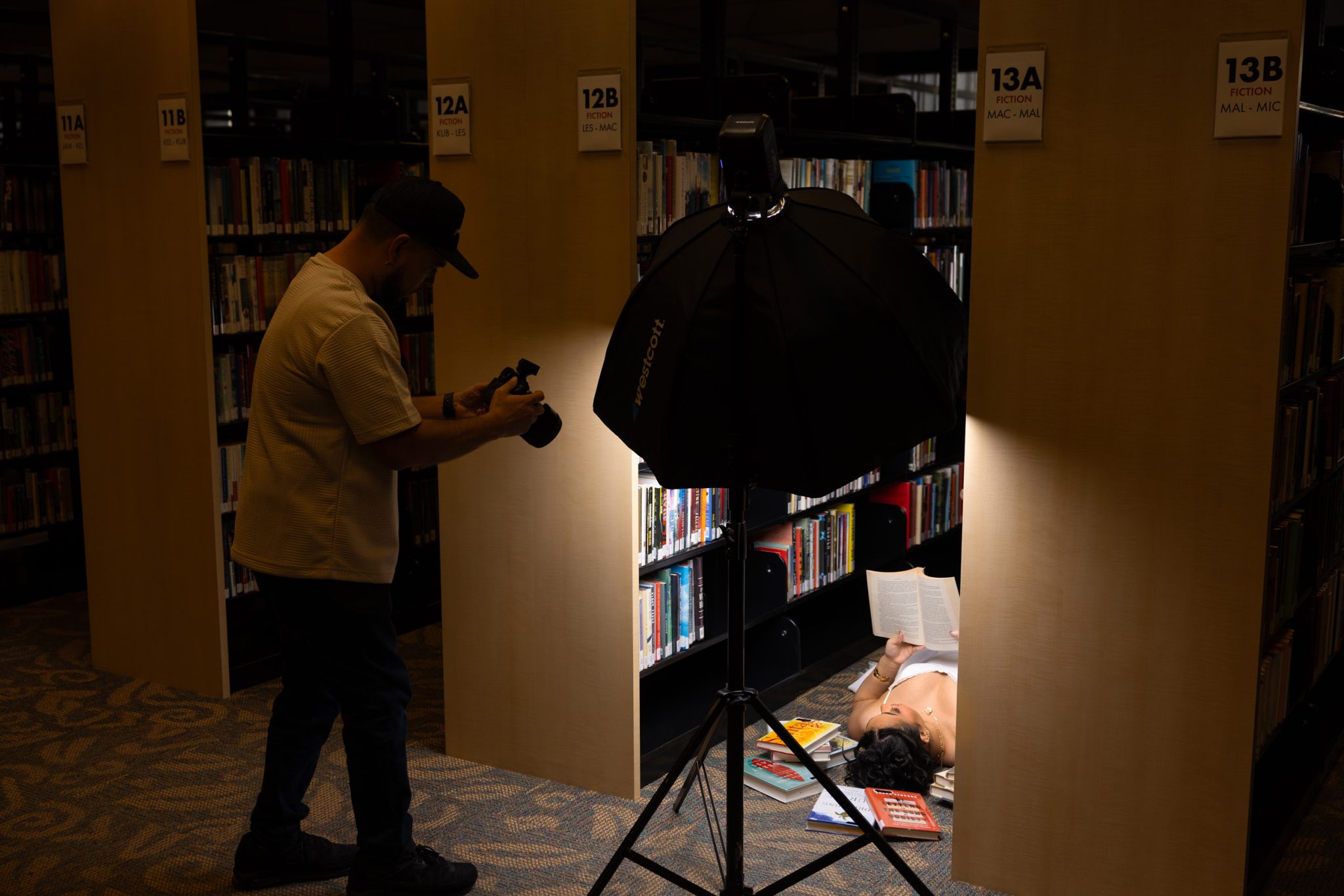
Ray starts the day inside a local library to show how even a dark, cramped space can look high-end with the right lighting. He begins by setting a base template on his camera, usually a shutter speed of 1/200, an aperture of f/1.2 for a blurry background, and ISO 100. This helps him see how much natural light is already in the room before adding any flash. His main light is the Westcott FJ250 strobe modified with a 36-inch Rapid Box Switch Octa-M, which he feathers (tilts slightly away) to keep the light soft and natural looking on the senior’s face.
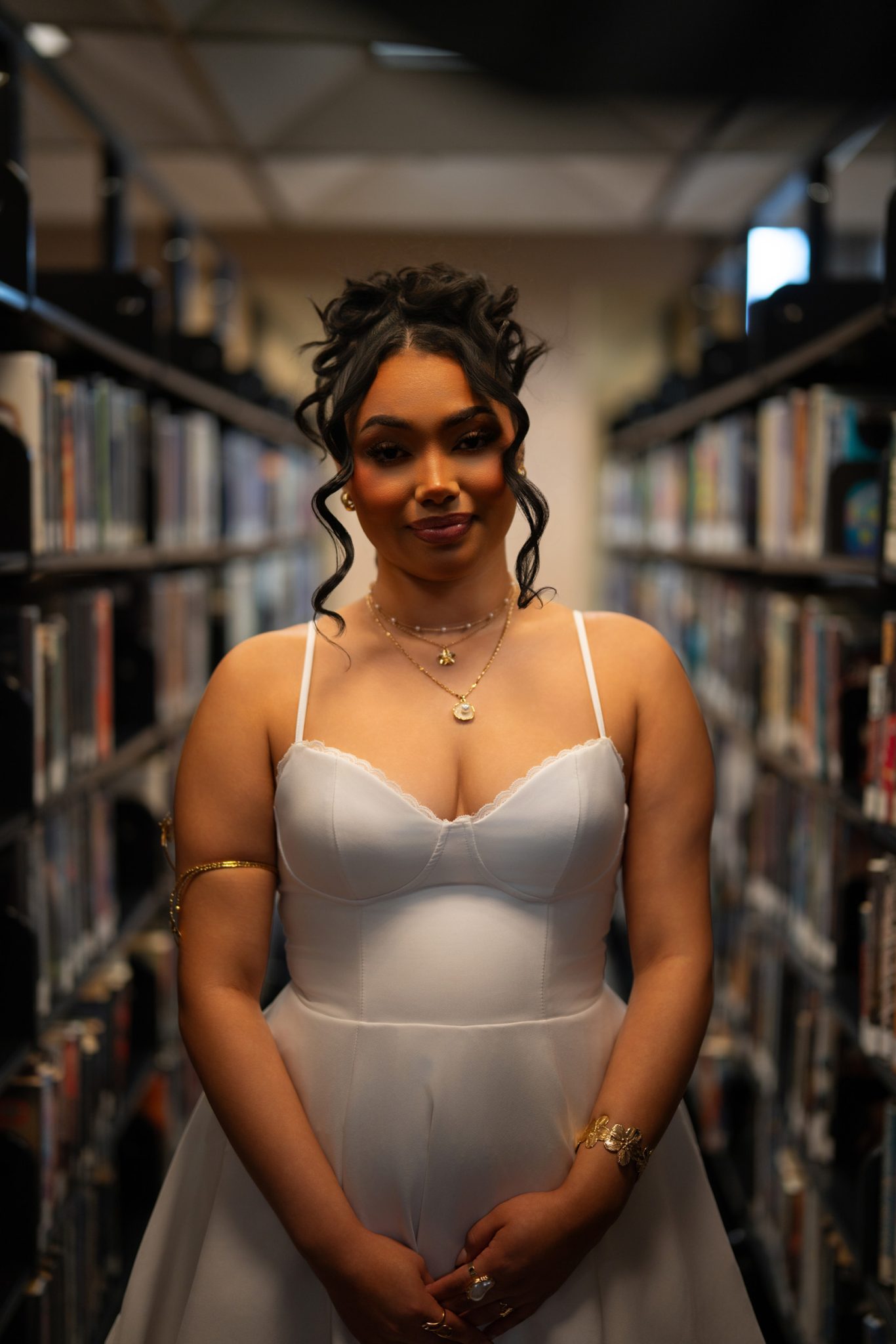
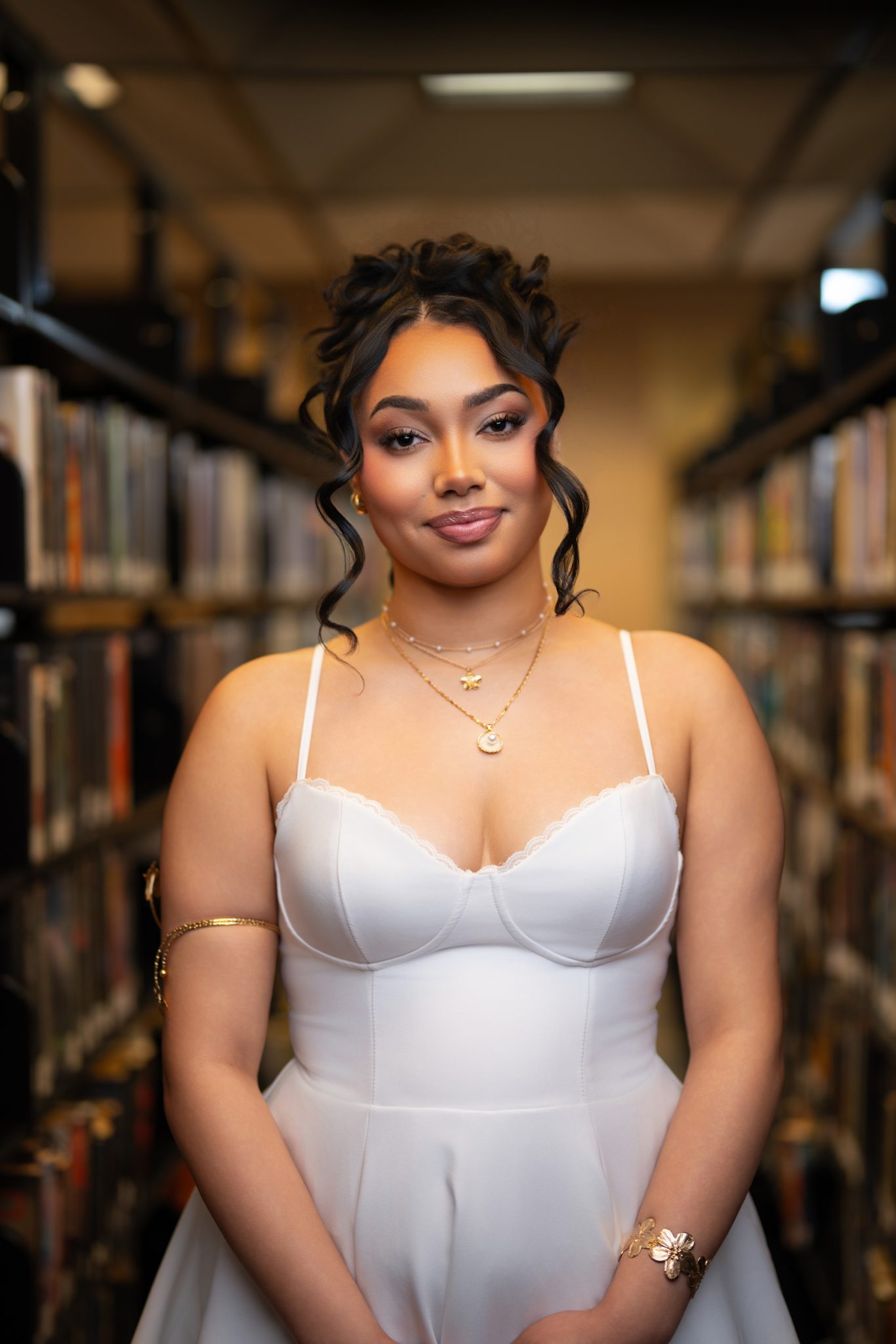
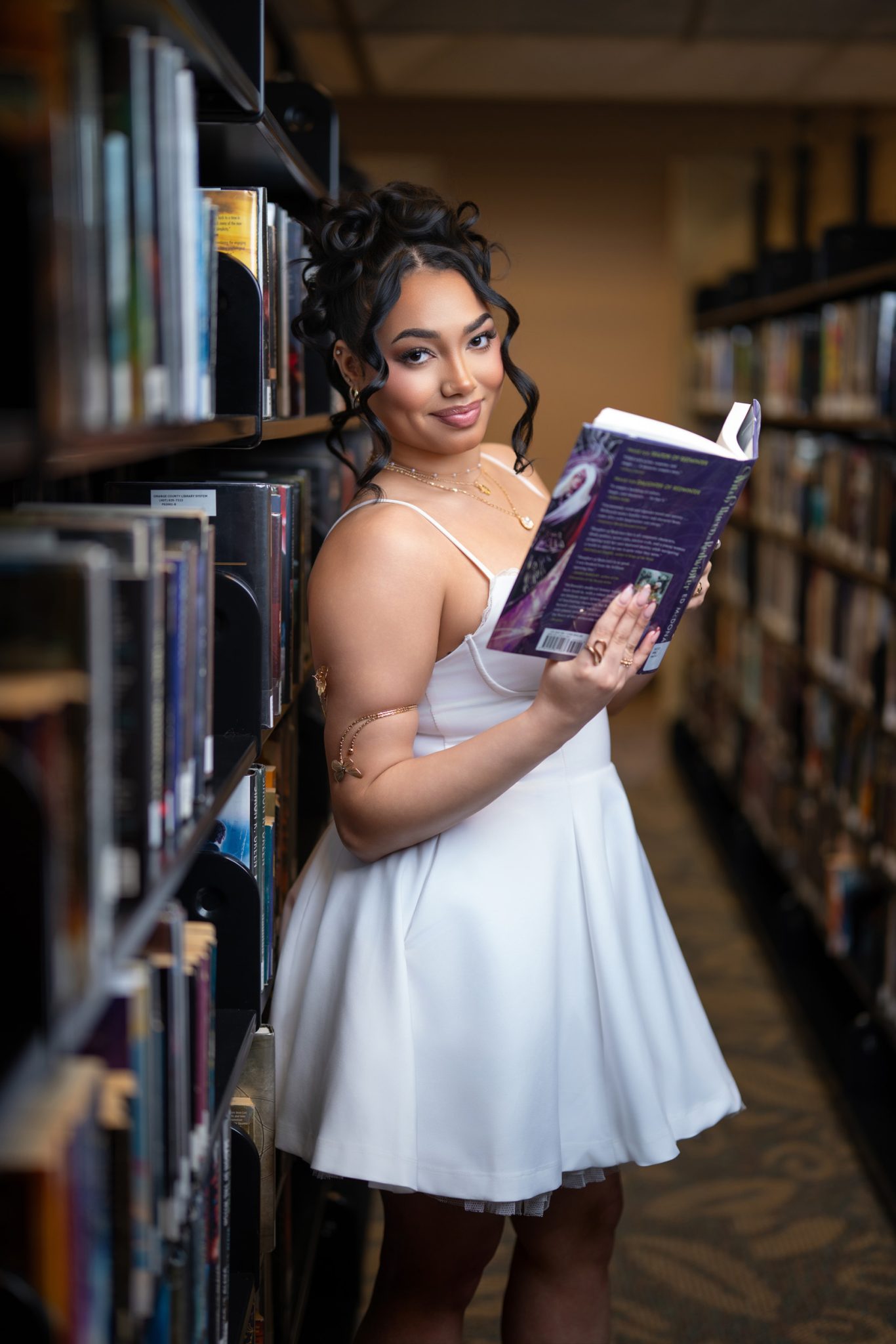
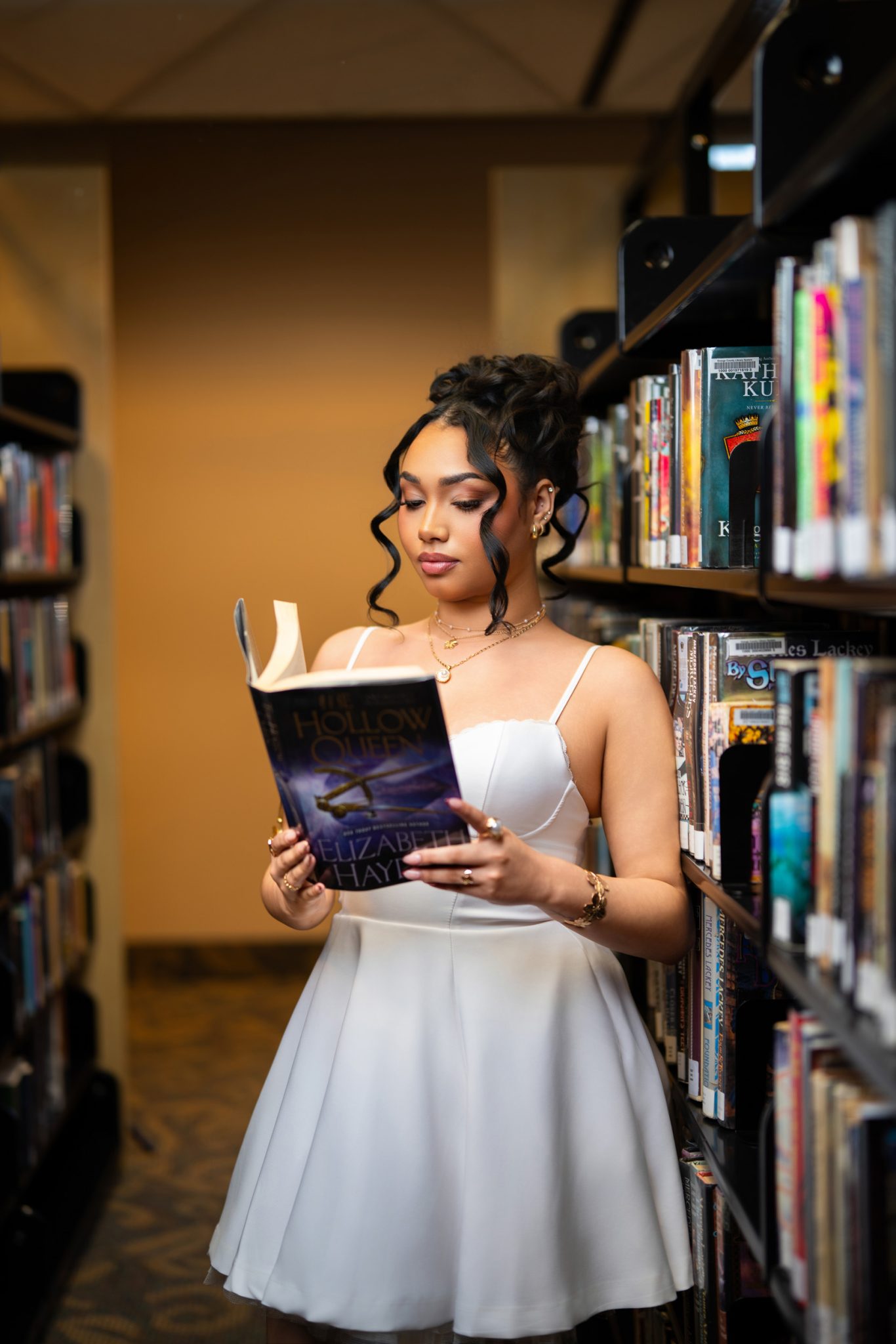
To add a bit of style and extra dimension, Ray introduces a second light into the mix, a Westcott FJ400 II strobe placed directly behind the subject. By adding a Vivid Purple FlexiGel to this strobe, he creates a beautiful pop of color that physically separates the senior from the dark, wooden bookshelves. Ray explains that adding these colorful accents is one of the easiest ways to transform a simple location into something spectacular and give the senior a one-of-a-kind photo.
Creating a Magical Storybook Glow with a Three-Light Setup
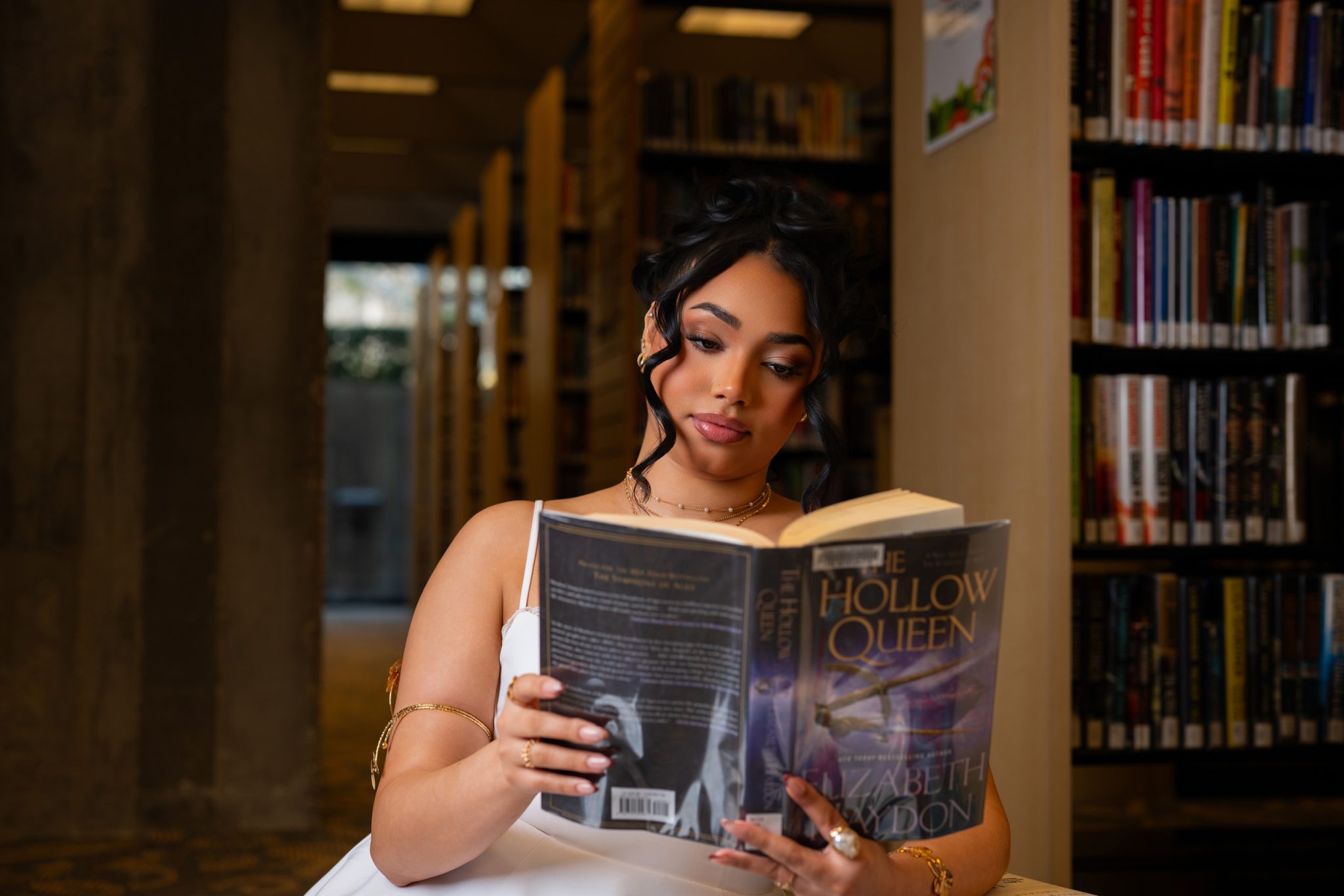
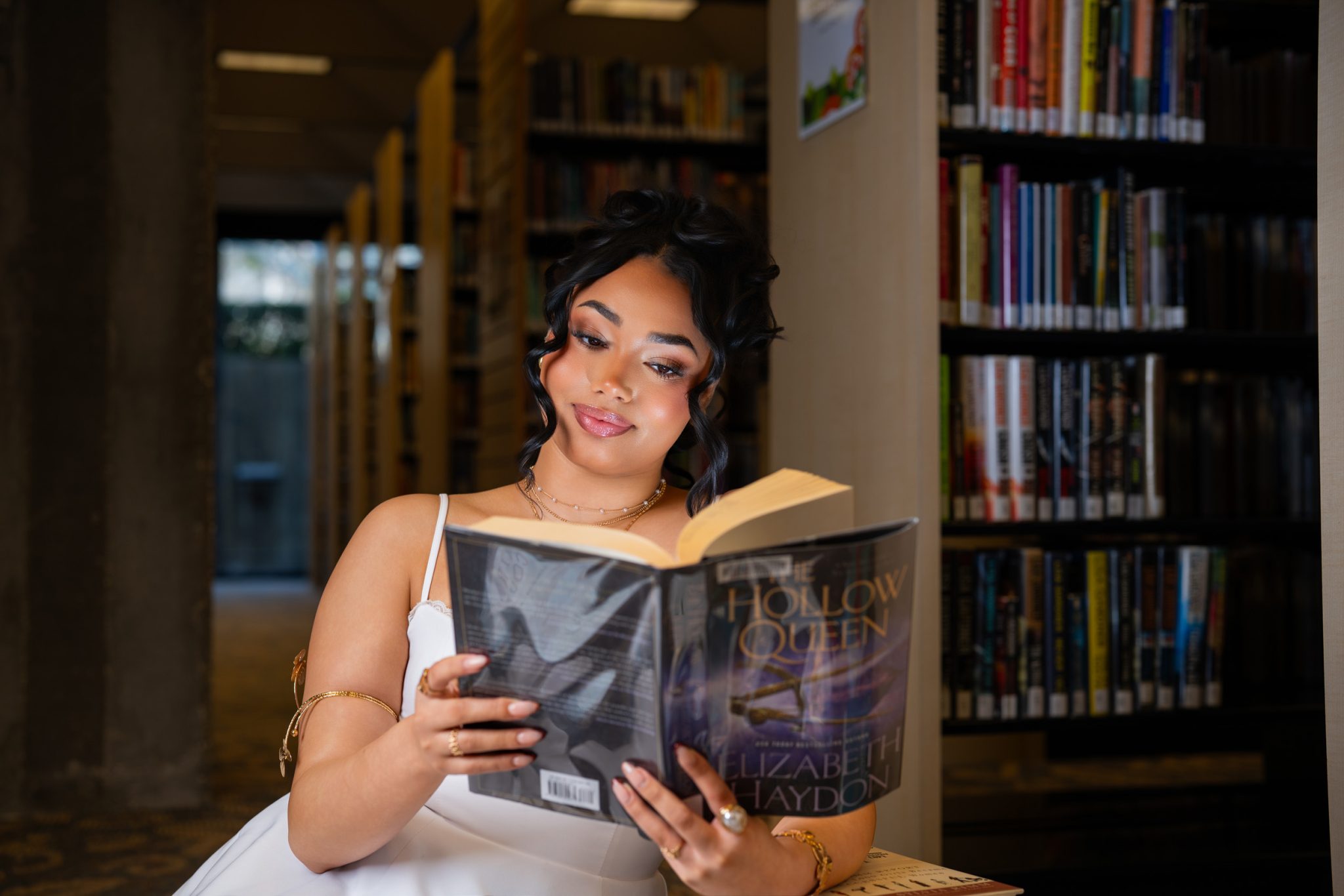
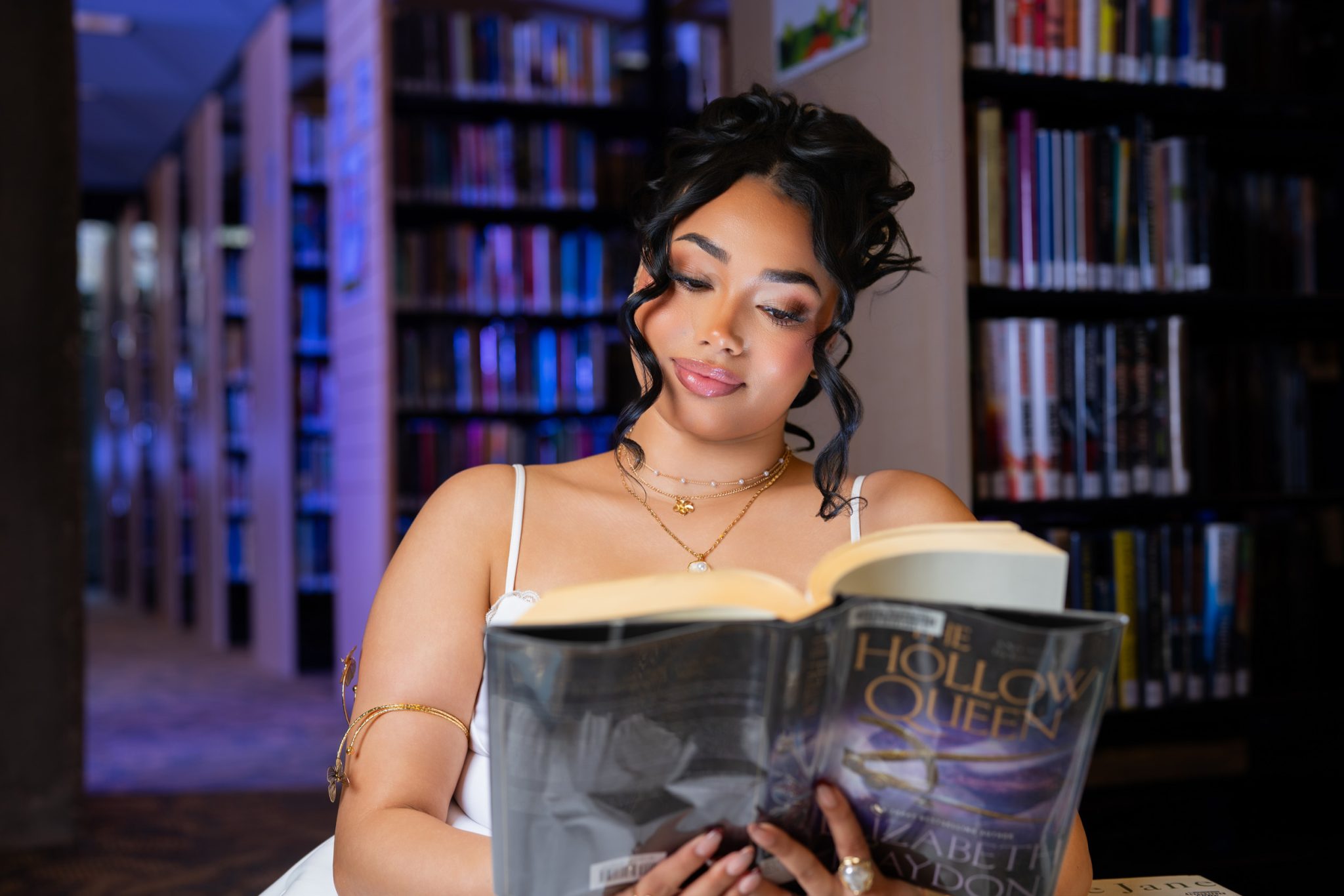
For the next look, Ray levels things up by using three lights at once to create a cinematic scene. He likes to work backward when setting up multiple lights, starting with the background and finishing with the main light on the face. He keeps the purple gel in the background but adds a secret weapon: the tiny Westcott S18 Mini Flash.
By hiding the S18 Mini Flash inside the pages of the book the subject is holding, Ray creates a magical glow that makes it look like the book is actually lighting up. He finishes the look with the FJ250 and a Rapid Box Switch Octa-M to fill in the shadows. This technique transforms a regular library corner into something unique and bold for his senior.
Using Shutter Speed to Capture Motion and Blur
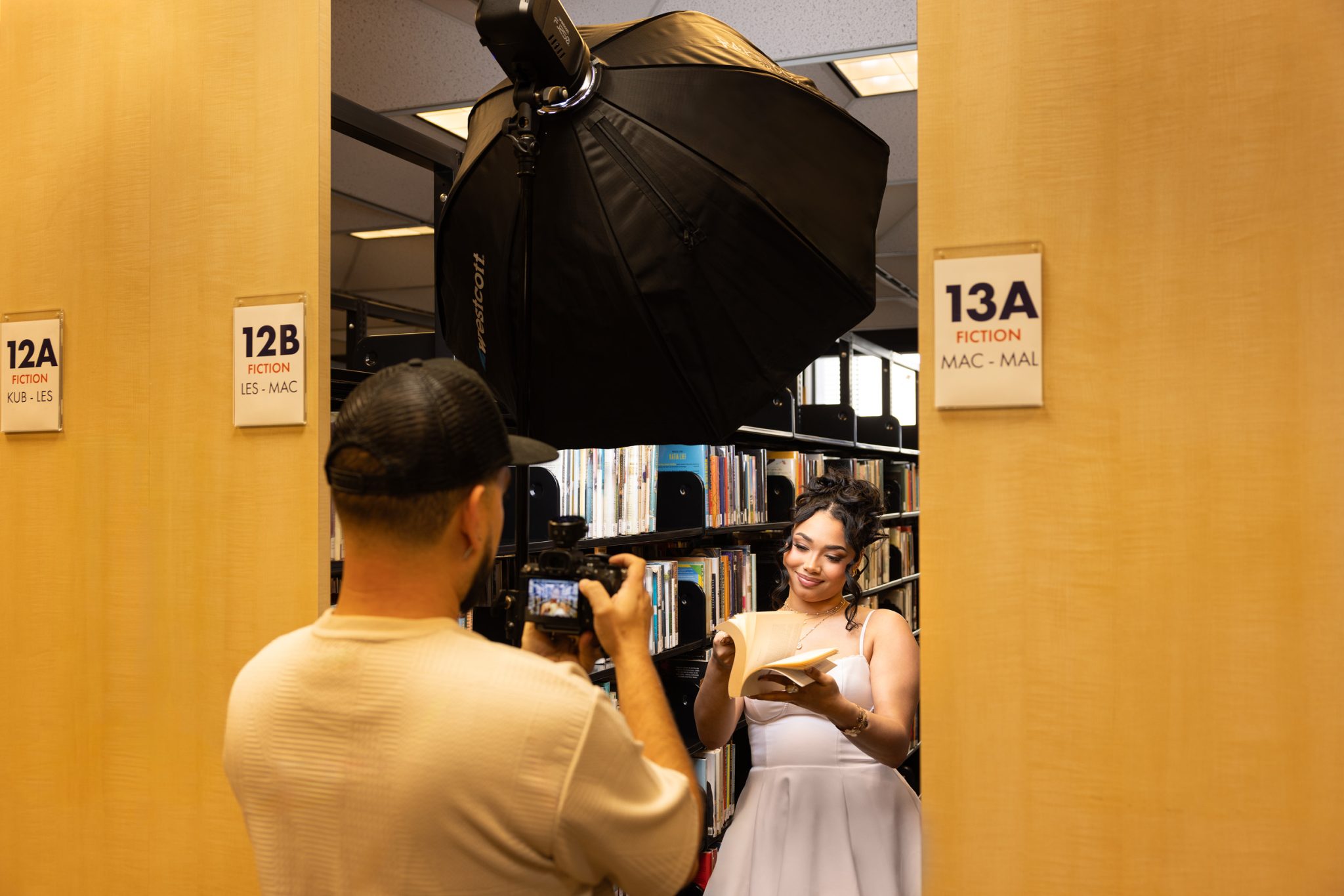
Sometimes, a photo needs a sense of movement to feel alive. Ray heads back to the book aisles, wanting to capture the feeling of someone flipping through the pages of a favorite book. To get the pages to look blurry while keeping the senior’s face sharp, Ray drops his shutter speed way down to 1/13.
By lowering the shutter speed, the flash still freezes the subject’s face so it stays clear, but the camera is able to pick up the motion of the moving paper. It’s a simple trick that adds a lot of energy and storytelling to the image.

Improving Your Composition with Foreground Elements
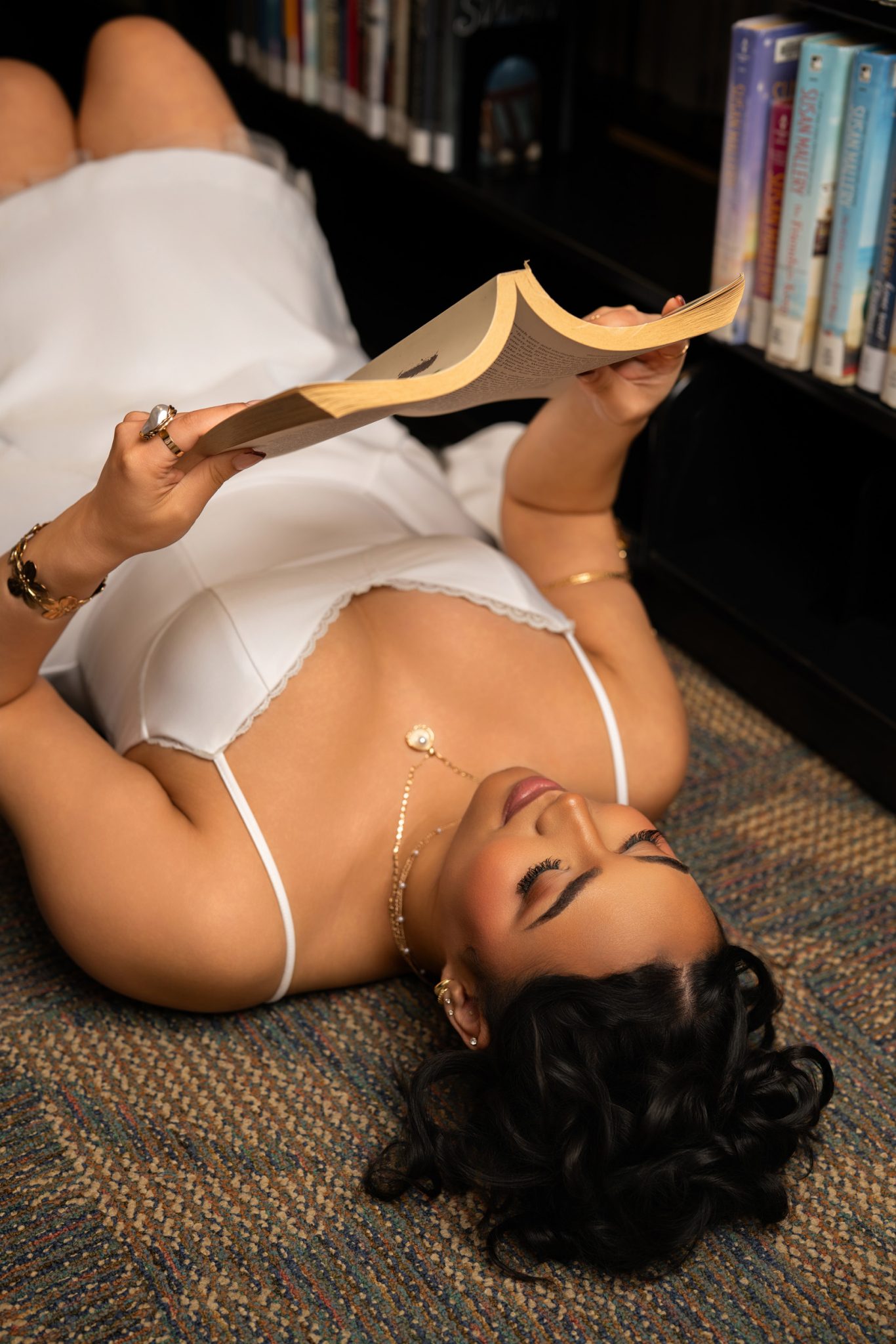
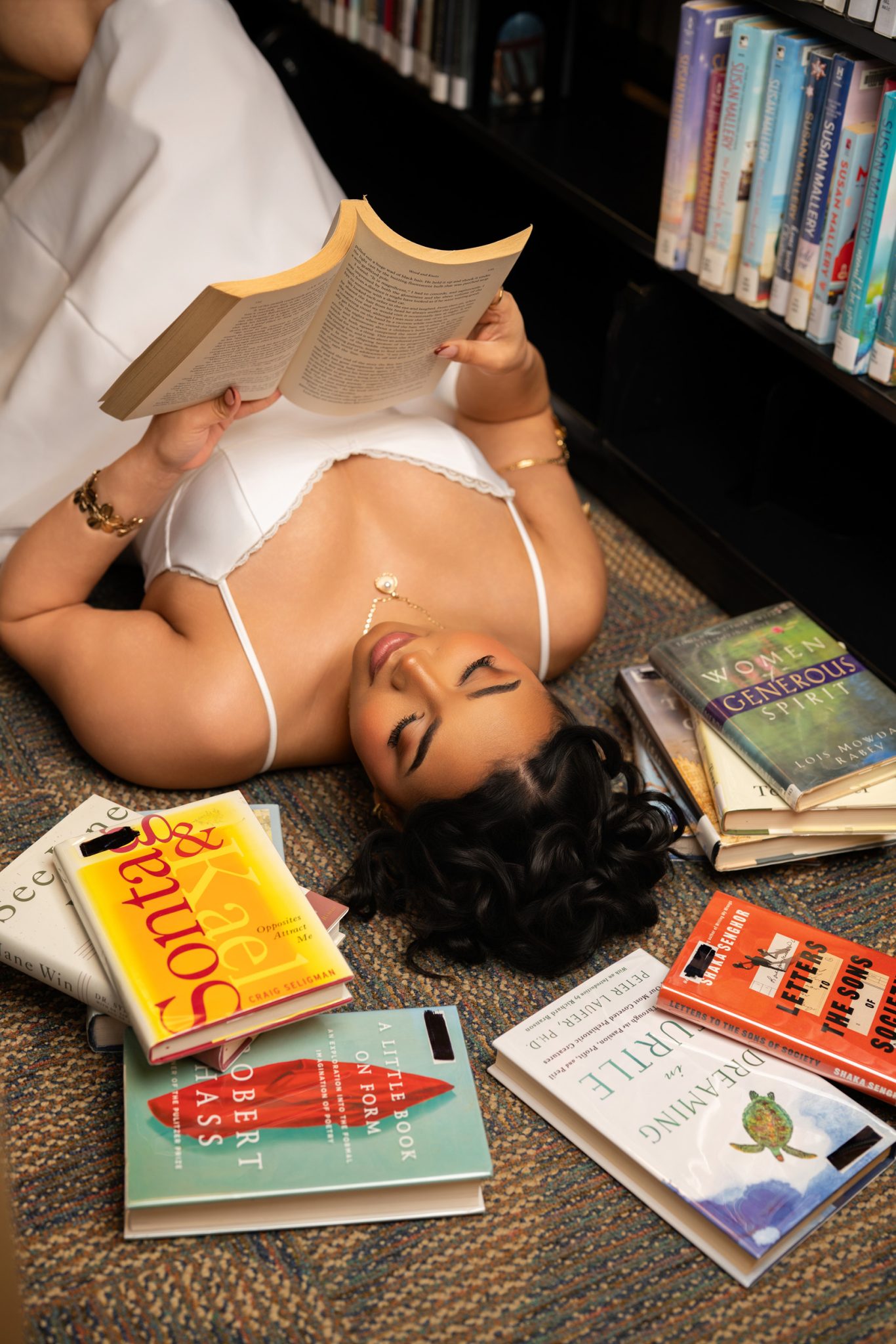
For the final indoor shot, Ray had the high school senior lay down on the floor as if she was lost in a good read. However, he noticed the bottom of the photo looked a bit stale and empty because there was too much floor showing. To fix this, he simply moved a few more books into the shot, placing them right in front of the lens.
Adding these books in the foreground creates depth and makes the senior look like she is truly surrounded by stories. It fills the empty space and makes the whole photo feel more intentional. It’s a great reminder that what you put in front of the person is just as important as the person themselves.
Balancing Flash and Ambient Light for Outdoor Portraits
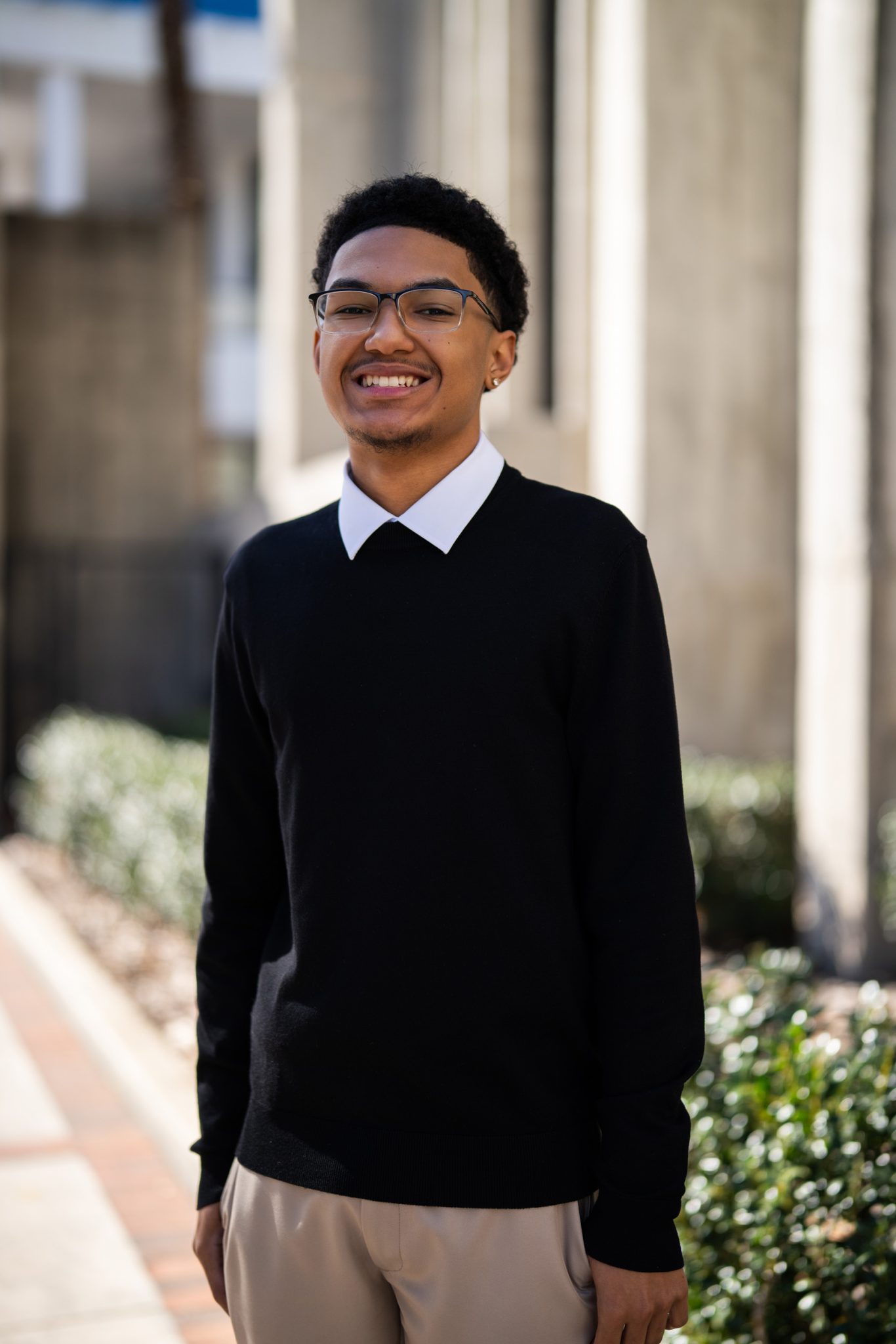
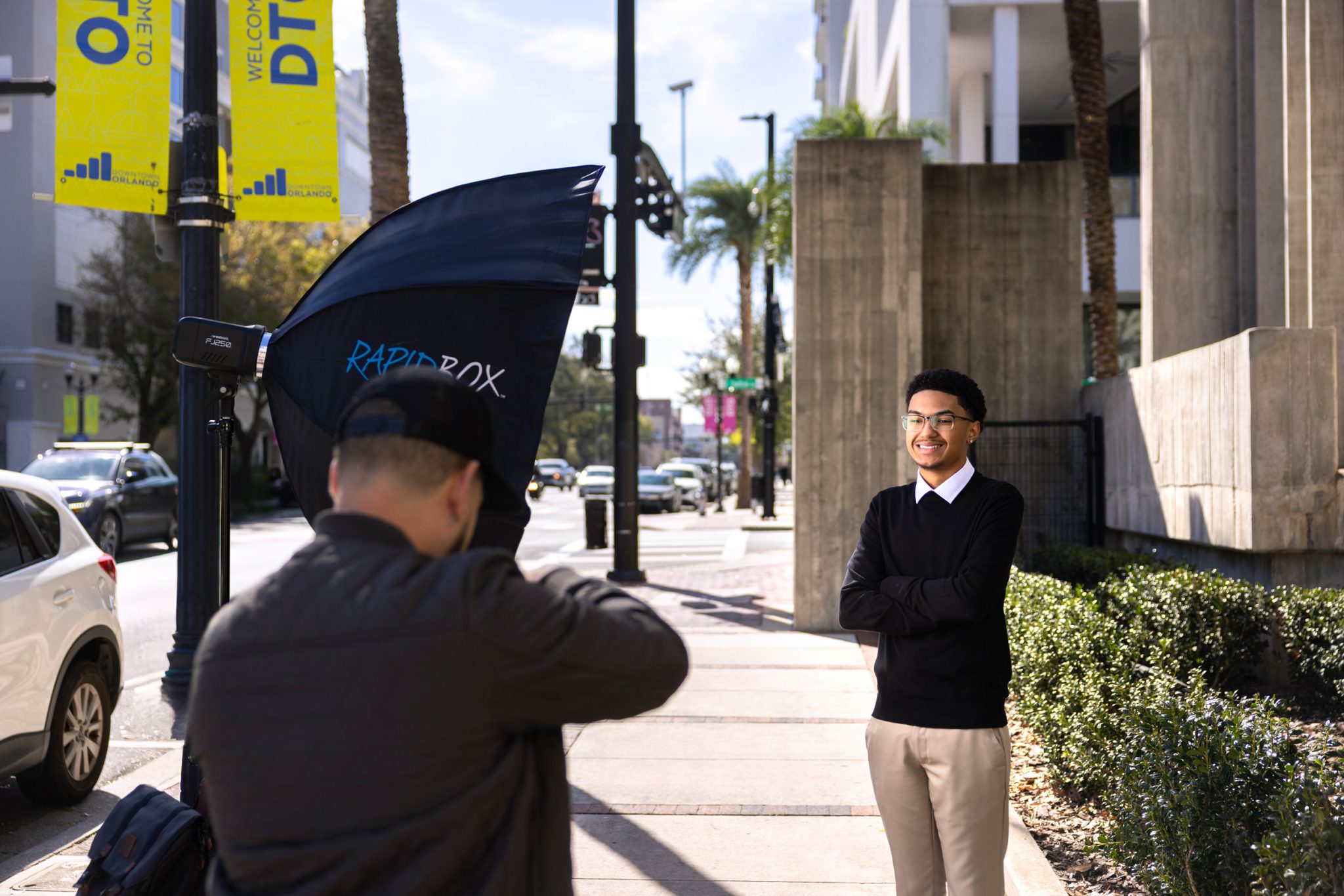
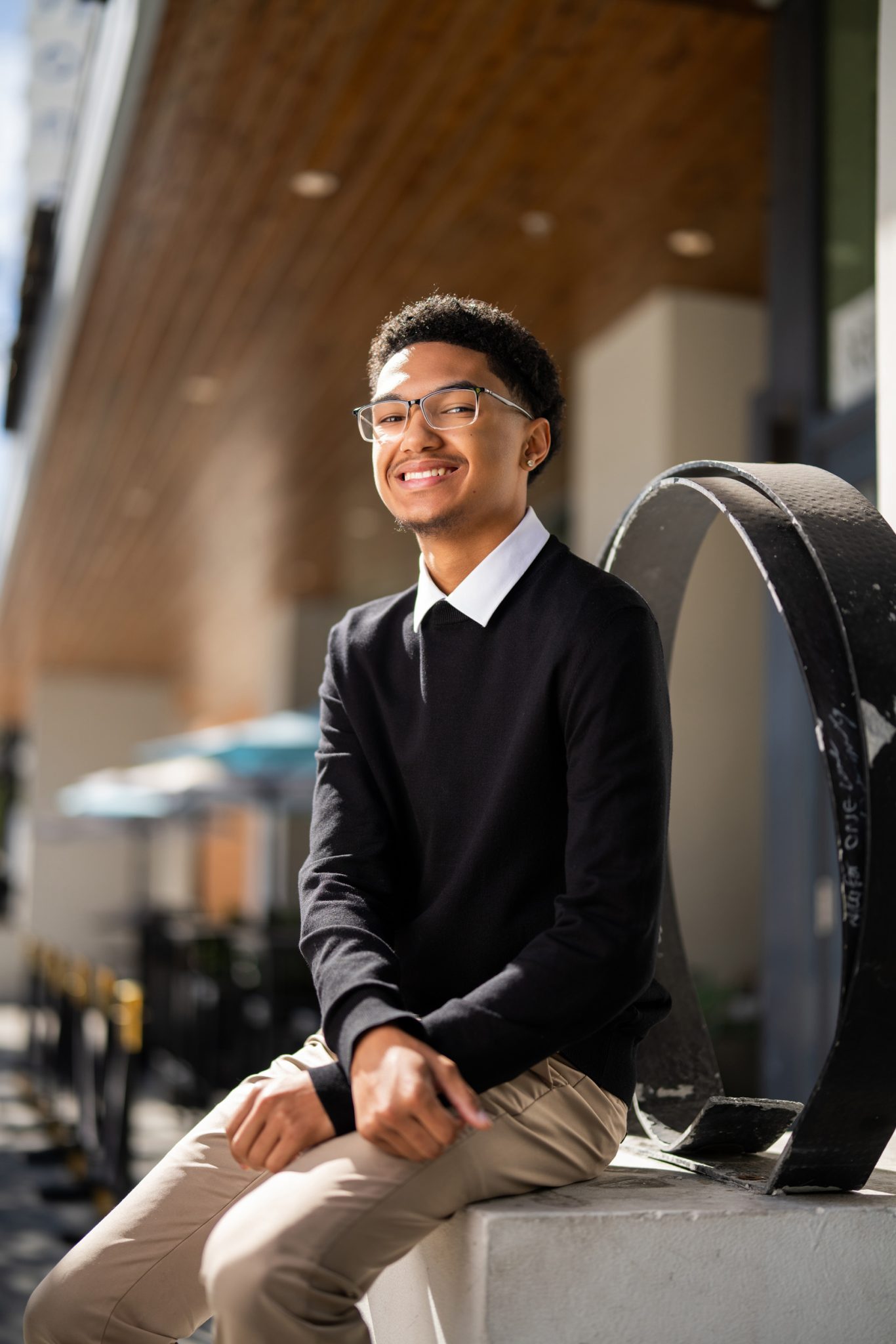
Once the shoot transitions outdoors, Ray has to handle a much brighter environment. His golden rule for outdoor flash is to always expose for the ambient light first. He dials in his camera settings so the sky has details and looks blue and the highlights on the surrounding buildings aren’t overexposed.
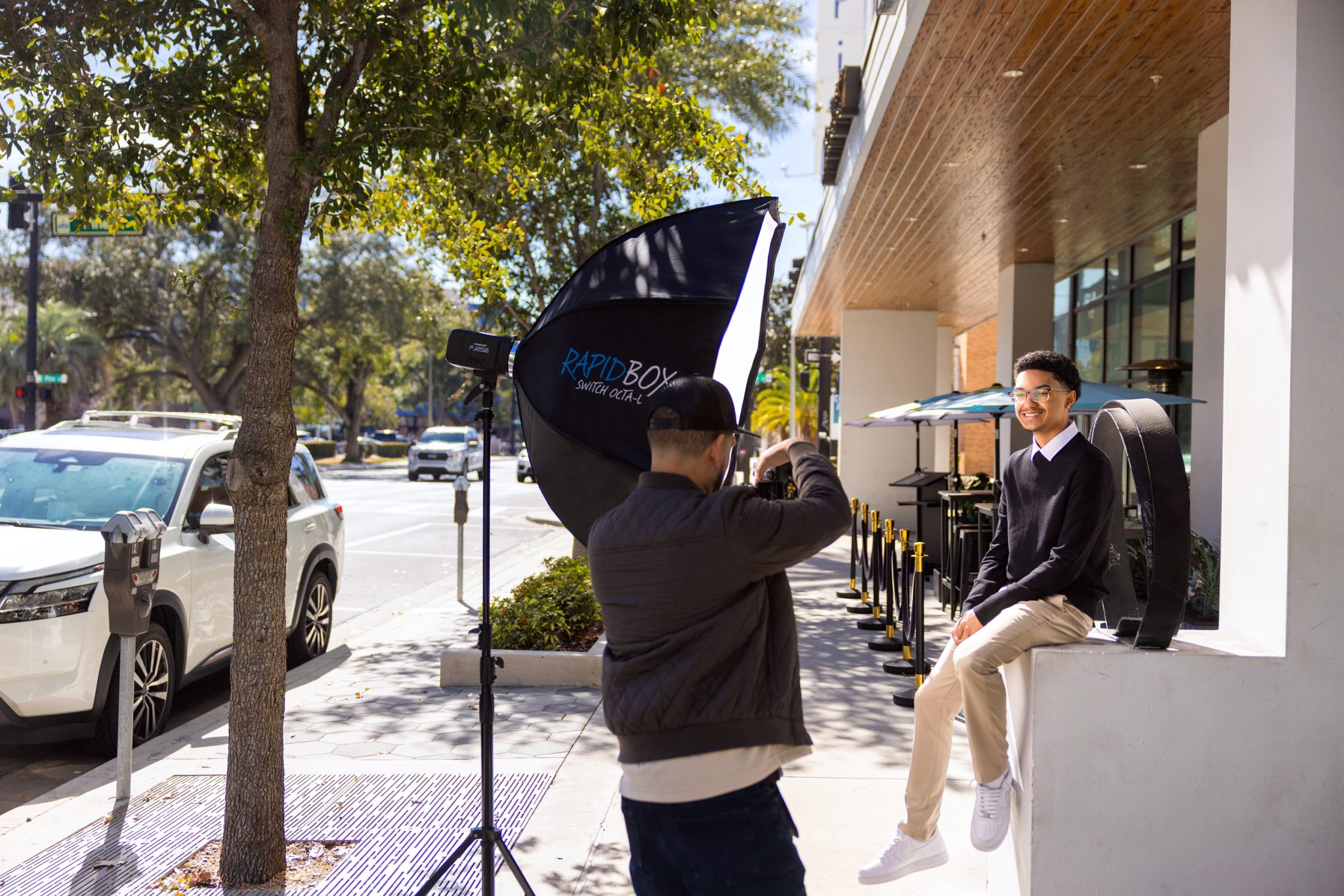
While this usually makes the person in the photo look dark at first, it sets a perfect stage for the flash to do its job. From there, Ray brings in the FJ250 and the Rapid Box Switch Octa-L to illuminate the subject. This technique gives you total control over the scene, resulting in a perfectly balanced image where both the senior and the background look professional and polished.
Finding New Perspectives and Using Flash for Dimension
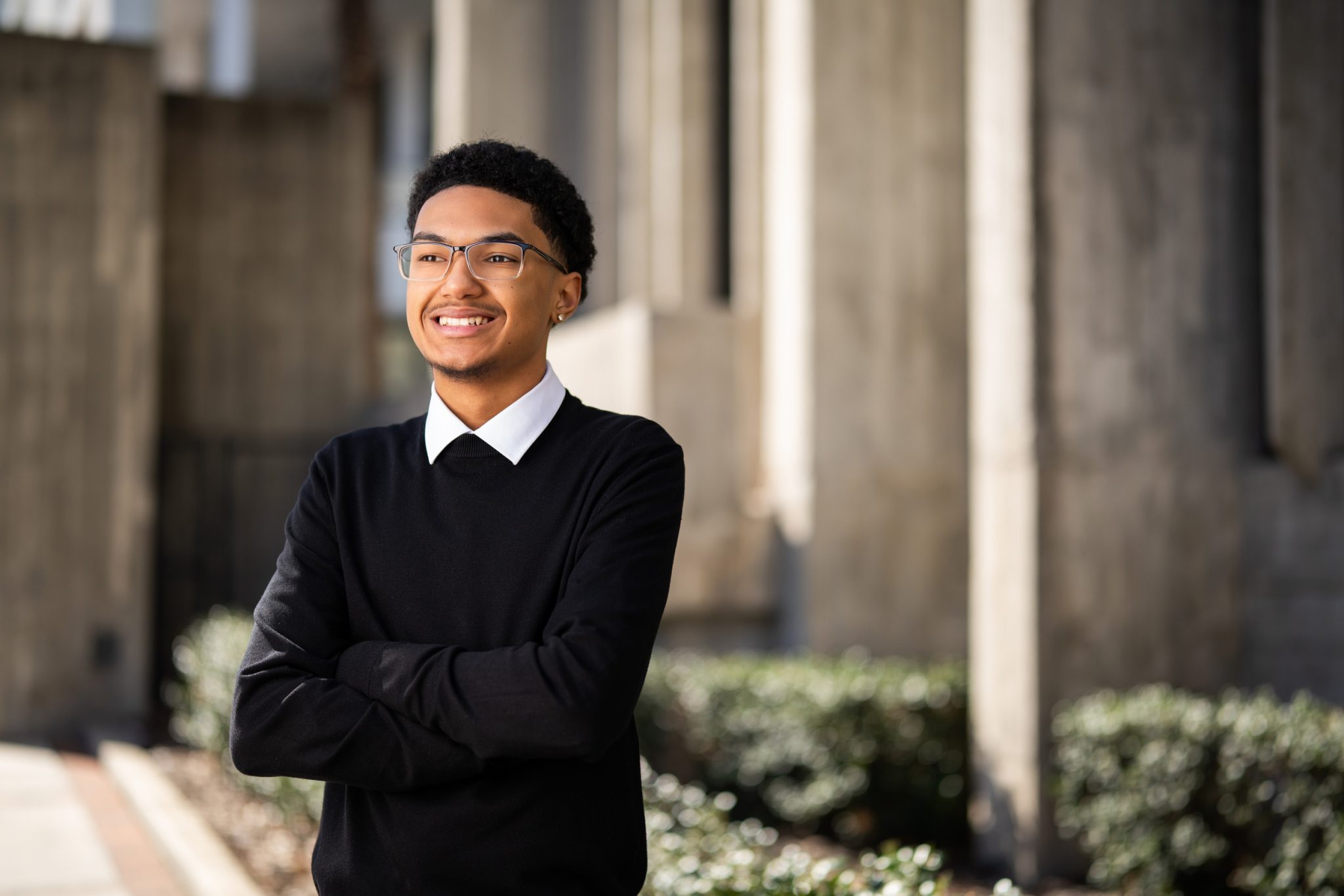
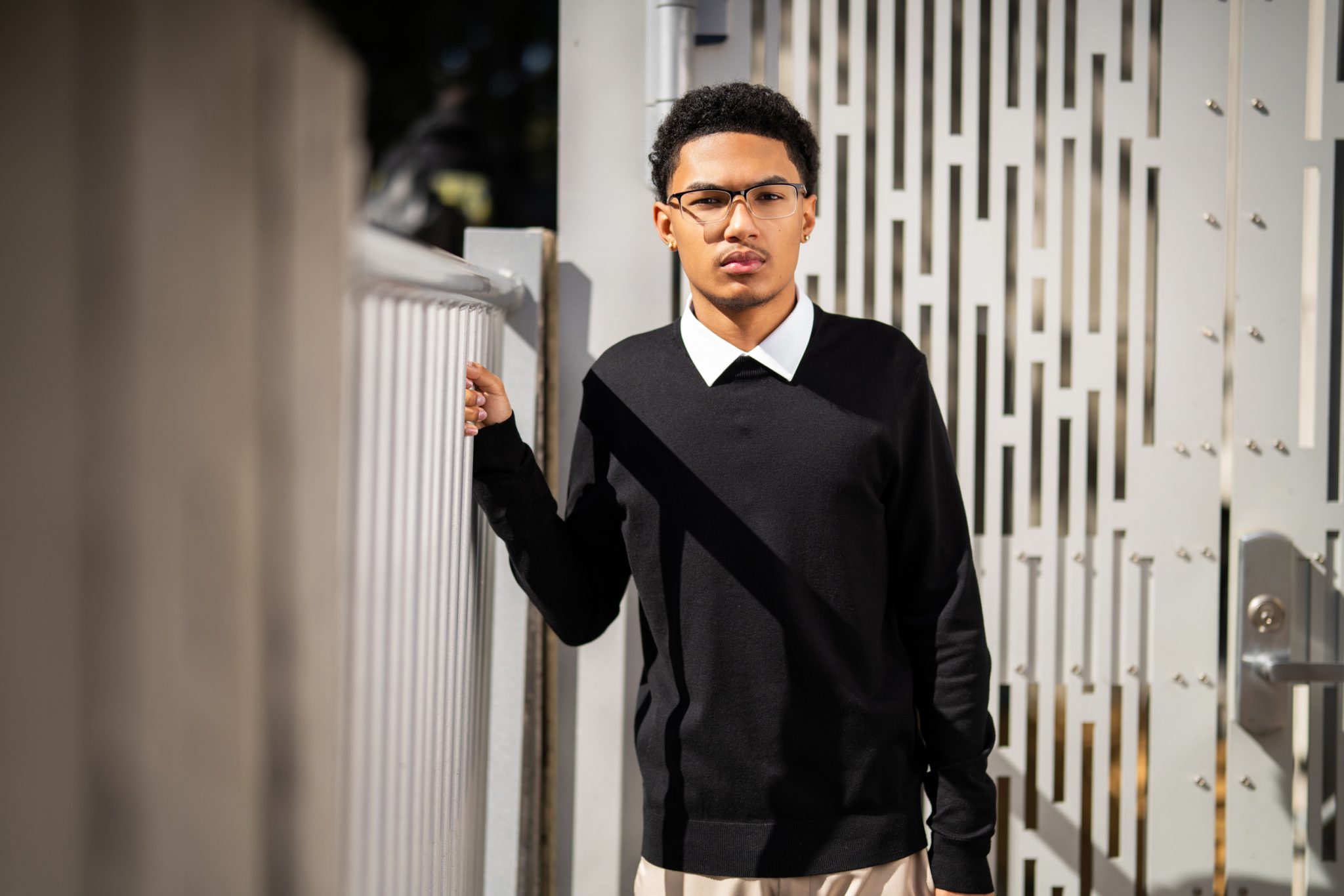
You don’t always have to walk far to find a new look. Ray moved just ten feet away from his first outdoor spot to find a corner with leading lines. He used the sun’s natural position to light one side of the senior and used his flash to fill in the shadows on the other side.
Ray explains that while a natural light photo can look okay, adding a “kiss of light” from a strobe makes the subject pop away from the background. It adds a level of professional polish and dimension that the sun alone often can’t provide during the middle of the day.
Why the Rapid Box Switch Octa-L is Great for Full Body Portraits
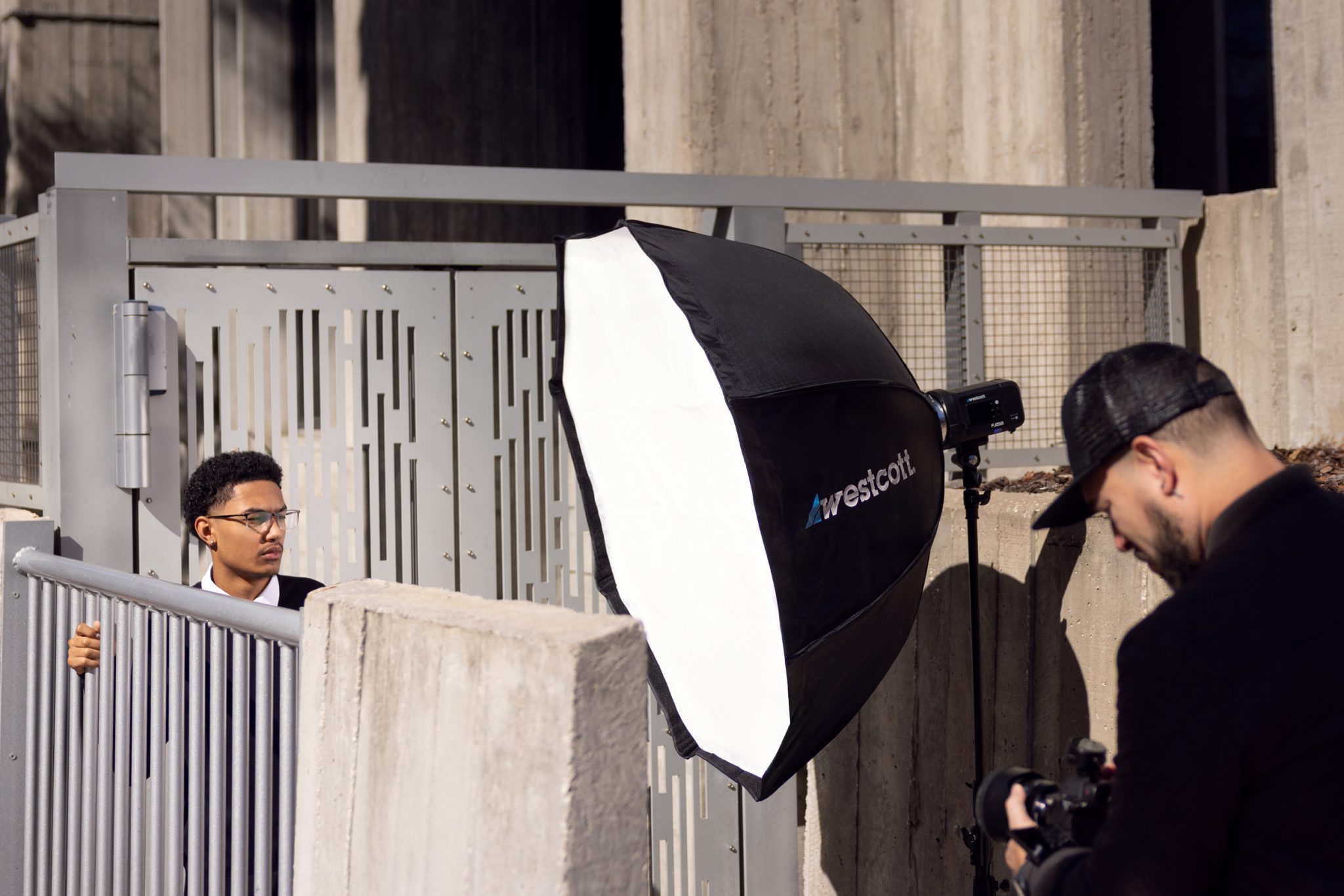
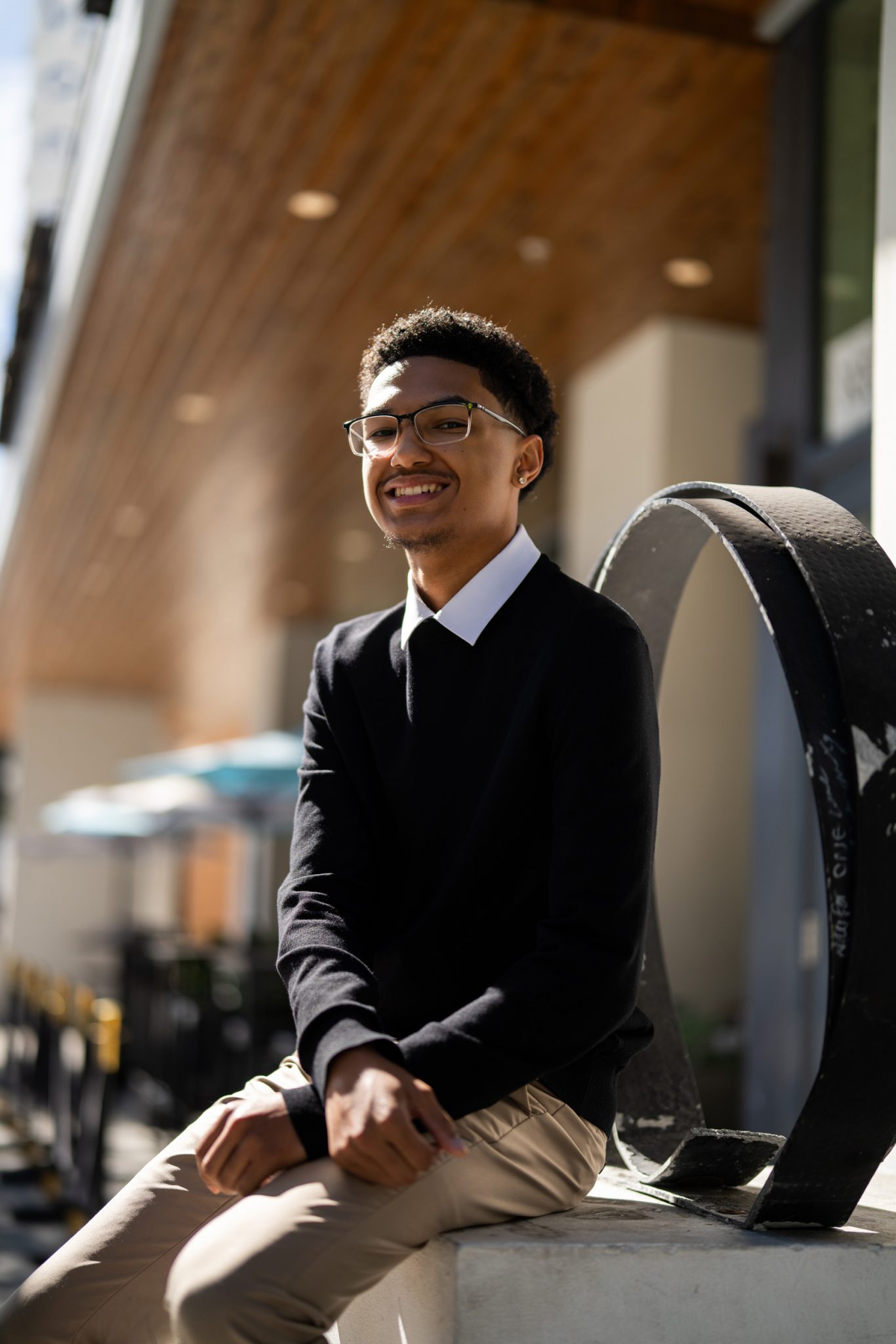
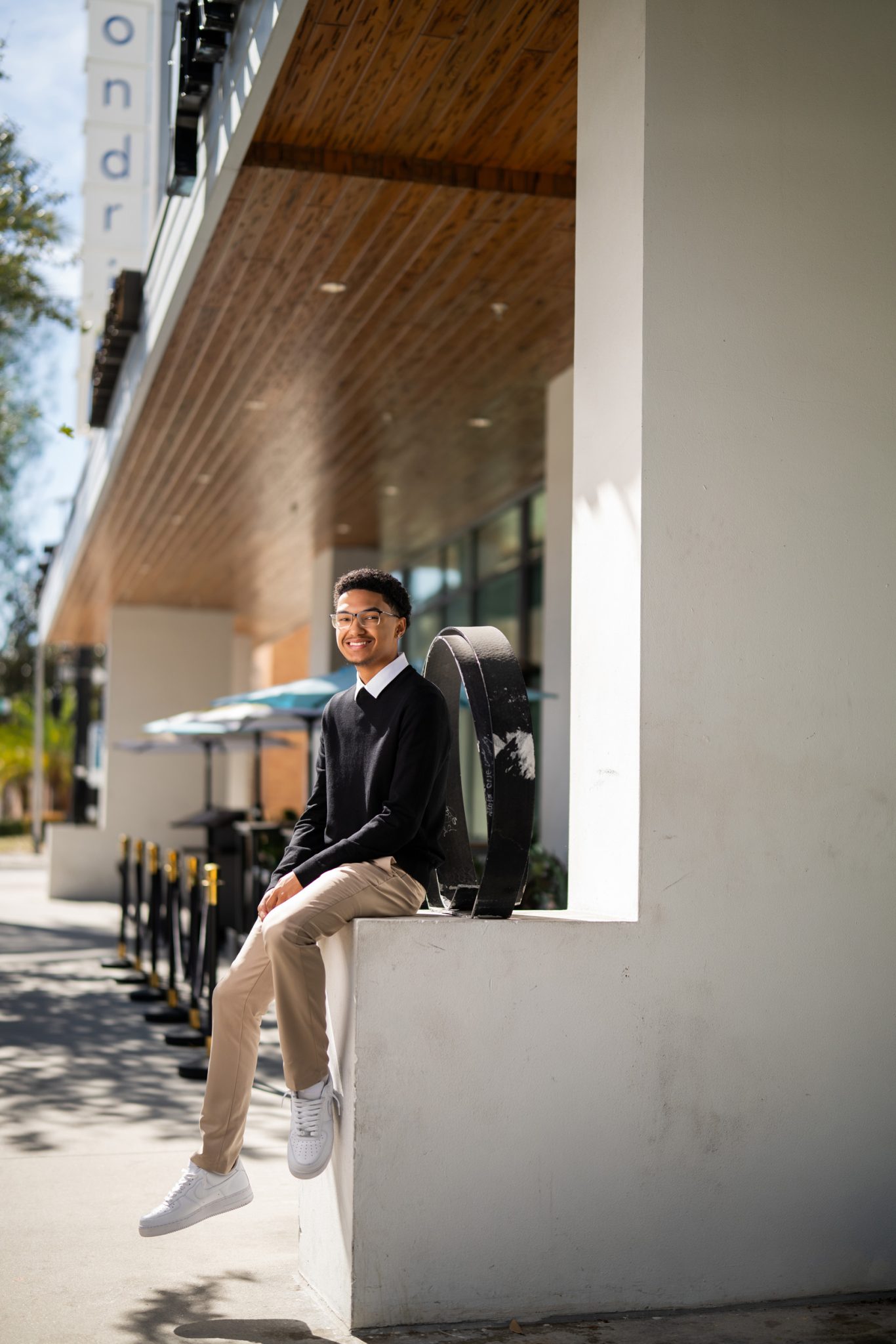
When it’s time to move back for a full-body shot, Ray relies on the size of the 48-inch Rapid Box Switch Octa-L. Because this softbox is so large, it provides a big, soft light source even when it has to be moved further away from the senior to stay out of the camera’s view. This is a huge help when you want soft light but need to show the subject from head to toe.
In this setup, Ray also uses the sun as an edge light. By positioning the senior so the sun hits his back and shoulders, he gets a natural highlight that separates him from the background. Meanwhile, the big octagonal softbox handles the heavy lifting of lighting the front of the senior.
Strobe vs. Natural Light: How to Make Your Portraits Pop
During the shoot, Ray shares a great workflow tip using the
Transforming Environments with Gels and Portable Strobes
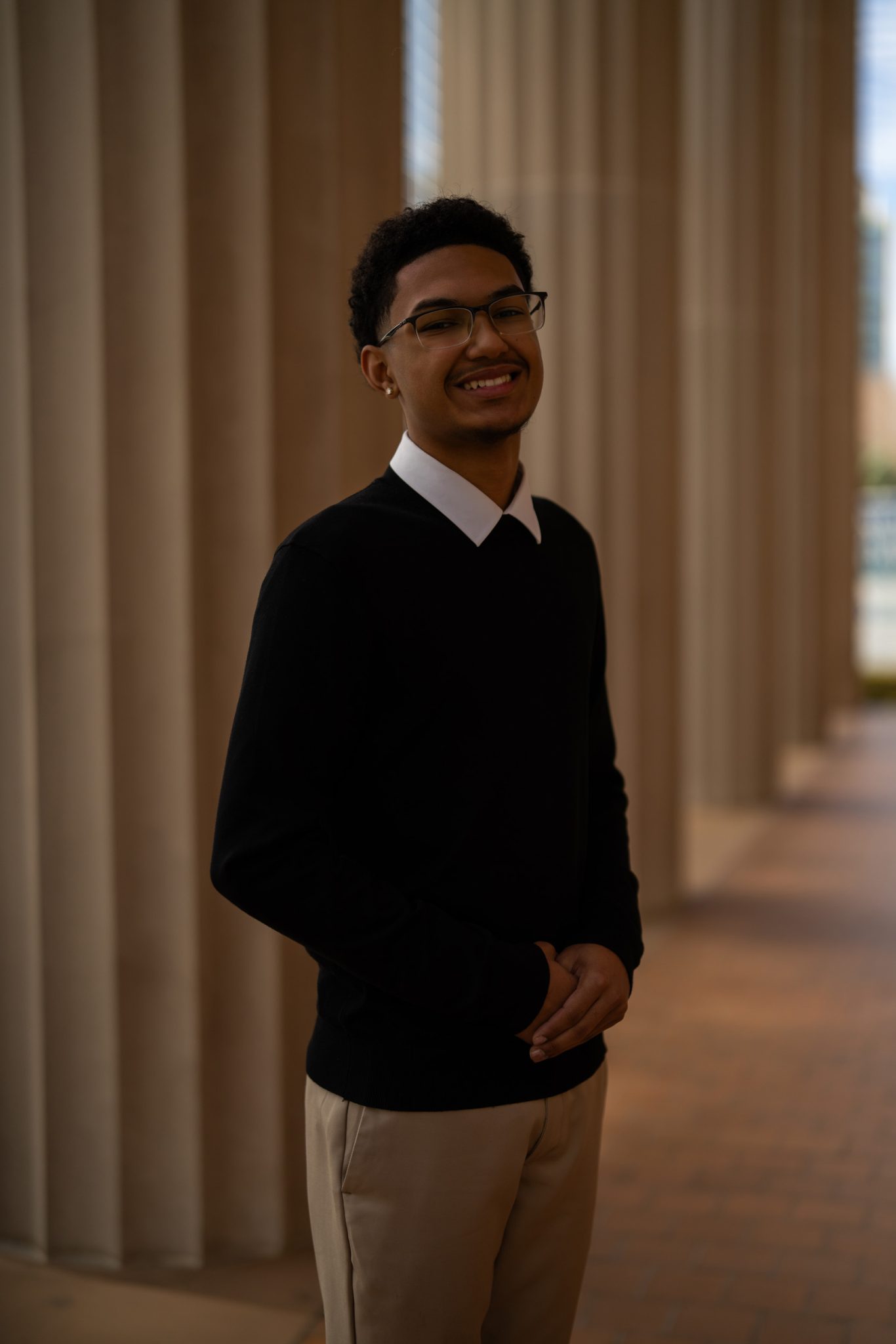
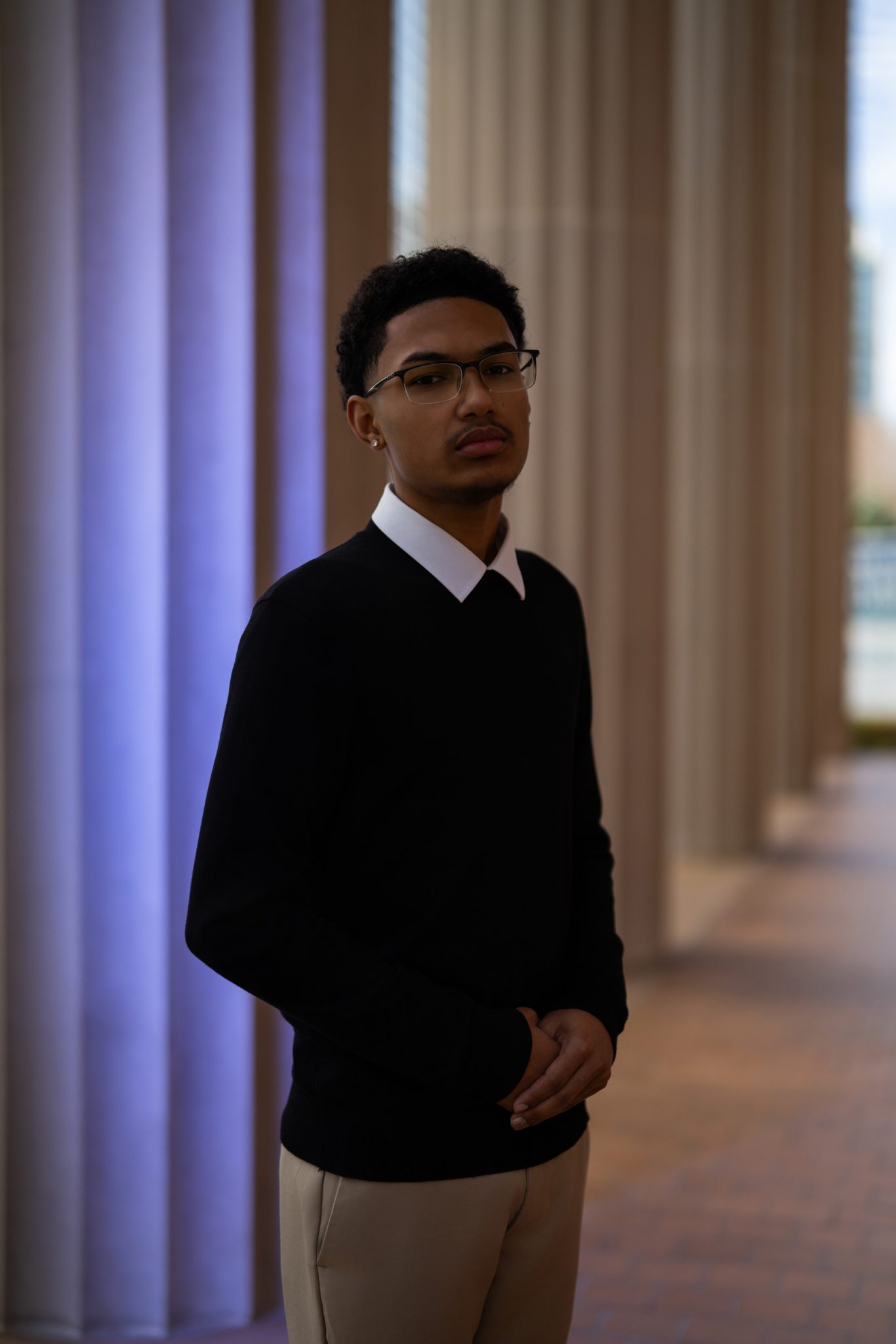
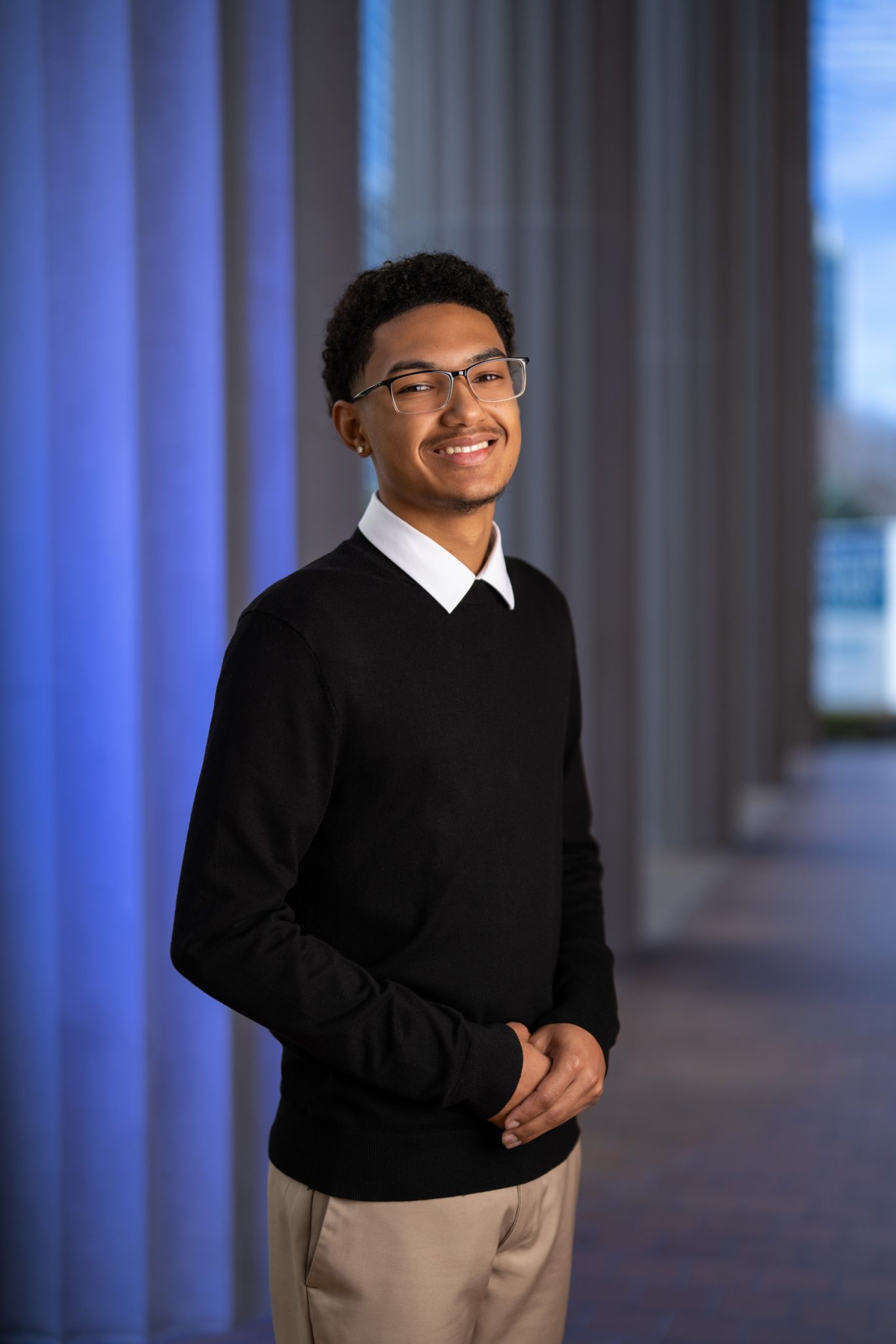
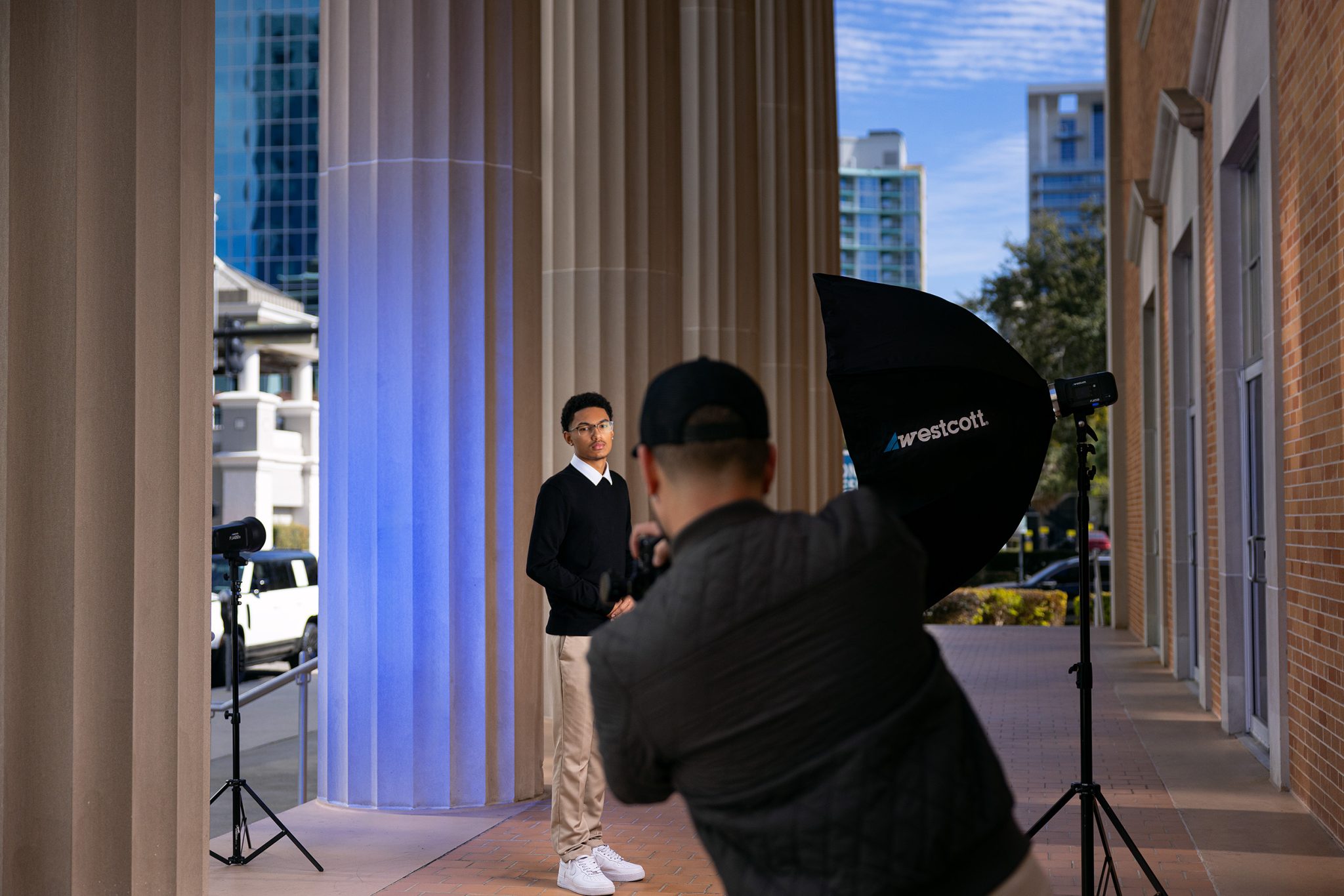
For the final look, Ray brings the studio outdoors. He brings in another light, an FJ400 II with a Vivid Blue FlexiGel to splash color onto a concrete pillar in the background. By darkening his camera settings to make the background darker, the blue gel becomes bright and dramatic, even in the middle of the day.
He then uses the FJ250 as his main light to bring the senior’s face back to the right brightness. This completely changes the look of the location. It’s a perfect example of how flash allows you to change the entire scene to fit your creative vision, no matter where you are.
Mastering Senior Portrait Photography with Versatile Lighting Techniques
Whether he’s in a quiet library or on a bright sidewalk, Ray Alvarez proves that the right lighting can turn any spot into a professional studio. By mastering the balance between the sun and your Westcott strobes, you can create senior portraits that are bold, colorful, and totally unique.
The best part by using the same lights and batteries, Ray was able to shoot all day, moving from dark rooms to bright sun without running out of power. If you want to see exactly how these shots were made and learn more about Ray’s process, be sure to watch the full video for even more tips and tricks!
Want to see more of Ray’s work?
Check out Pro Lighting Tips for Nighttime Portraits. Ray shows how to embrace the night using the Westcott Ice Light 3 to create high-end portraits with minimal gear.


You must be logged in to post a comment.